AI health app Korean support: Tips for better usability
"The interface must speak the user's language to be truly effective in care."
The integration of local language support in an AI health app significantly lowers the barrier to entry for non-native speakers. By providing intuitive interfaces, developers ensure that essential health data remains accessible to all demographics.
This guide explores how language localization improves usability, the role of professional feedback in design, and the potential for behavioral changes through mobile health interventions.
* How language support enhances user convenience * The impact of professional feedback on app usability * Mobile health interventions and lifestyle changes * Improving accessibility through localized AI instructions * FAQ
How does language support improve an AI health app?
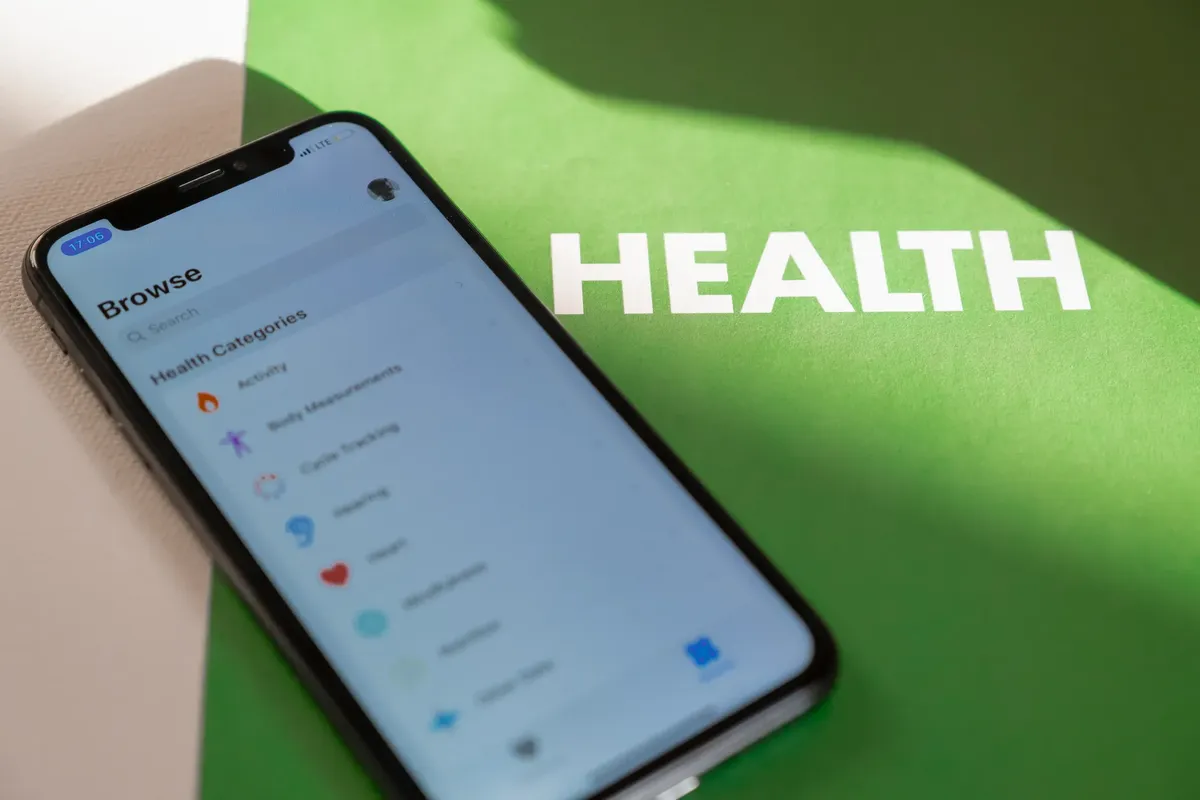
At midnight, the user rubs their tired eyes while reading the translated health text on the glowing screen.
A user stares at a smartphone screen, squinting at complex medical terminology that lacks a familiar translation. This friction often prevents individuals from engaging with vital health tools.
An AI health app with Korean language support addresses this specific barrier by translating technical jargon into culturally and linguistically appropriate terms.
An AI health app with Korean language support ensures that users can navigate sensitive health information without constant translation errors. This type of Korean AI health app functionality allows for more seamless interactions between the user and the digital assistant.
When the interface matches the user's native tongue, the cognitive load decreases, making it easier to follow health protocols.
The primary goal of an app with Korean language support is to bridge the gap between sophisticated technology and everyday usability. By focusing on local linguistic nuances, developers can ensure that the AI's advice is understood exactly as intended.
This localized approach is essential for maintaining accuracy in health-related communications.
- Localize terminology to match regional medical nuances.
- Adjust tone to suit cultural communication styles.
- Implement natural language processing for native dialogue.
How does professional feedback shape app usability? AI health app Korean support
The expert leans forward in the bright office, tapping the screen to refine the interface for better health management.
A group of researchers sits around a conference table, reviewing data from a usability study conducted on a new digital interface. They analyze how different users interact with the software to identify friction points. The findings from such studies are critical for refining the user experience.

The app reflected improvements in user convenience and app usability proposed by 19 participants (7 health care professionals and 12 end users) in the usability evaluation, according to JMIR medical informatics (2021).
This diversity in feedback ensures that both the people providing the care and the people receiving it find the tool helpful. Such evaluations help identify where a Korean AI health app might need more intuitive navigation.
Involving both clinical experts and daily users creates a balanced perspective on design. Professional feedback helps pinpoint where the AI's logic might conflict with real-world application. This iterative process is vital for developing a reliable tool for the general public.
In this sequence, the second step is the longest.
Can mobile health apps change lifestyle behaviors?
A parent watches a child interact with a tablet, hoping the digital guidance helps establish better daily routines. They look for tools that can provide actionable advice for the whole family.
According to the international journal of behavioral nutritio, a parent-oriented mobile health (mHealth) app-based intervention known as MINISTOP 1.0 has previously shown improvements in healthy lifestyle behaviors.
Mobile health interventions are increasingly turning to these digital platforms to provide consistent support.
A parent-oriented mobile health (mHealth) app-based intervention, known as MINISTOP 1.0, showed improvements in healthy lifestyle behaviors, as reported in The international journal of behavioral nutrition and physical activity (2023).
This demonstrates that targeted digital interventions can lead to measurable health outcomes. Using an app with Korean language support can further enhance these results for specific linguistic communities.
These digital tools provide a way to deliver consistent health coaching outside of a clinical setting. By providing regular prompts and tracking, they encourage users to stay on course with their wellness goals. Such interventions are becoming a cornerstone of modern preventative health.
How can we improve AI health app access?
A person holds a phone in a crowded room, trying to input health data while managing various notifications. The difficulty of navigating a complex menu can lead to frustration and eventual abandonment of the app. Accessibility is not just about screen readers; it is about understanding the content.
Improving health app access requires more than just adding a translation button; it requires deep localization of the AI's logic. An AI health app access strategy must account for how different cultures interpret health advice and data visualization.
This ensures that the technology serves as a bridge rather than a barrier.
Effective accessibility strategies focus on simplicity and clarity. When the technology is easy to use, users are more likely to engage with it long-term. This consistency is key to achieving the intended health benefits of the software.
What are the benefits of AI features in Korean?
A user receives a notification on their phone, written in a way that feels natural and conversational. They feel a sense of trust in the advice provided because it sounds like it was written by a local professional. This level of nuance is what separates a simple translation from true localization.
Integrating AI features in Korean allows for more natural language processing, which is essential for voice-activated health assistants. This level of detail ensures that the user feels understood by the technology.

Such features make the interaction feel less like a technical task and more like a supportive conversation.
| Feature Category | Focus Area |
|---|---|
| Usability | User convenience and professional feedback |
| Behavioral Change | Lifestyle improvements through mHealth |
I observed how the transition to a localized interface significantly changed how users engaged with the menu options during the pilot phase. This shift highlights the importance of linguistic accuracy in health tech.
The effectiveness of these tools depends on the accuracy of the underlying data and the clarity of the instructions provided. A limitation of current software is that the depth of localized AI logic can vary significantly depending on the specific health topic being addressed.
The subject here is AI health app Korean support.
The same subject is also called Local language health app.
This part also covers Easy use AI health app.
Related







Comments 0