AI iPhone album experience how AI changes photo viewing tips
An empty screen flickers as a user scrolls through thousands of digital memories, searching for a single moment captured years ago.
The transition toward an AI iPhone album experience transforms how users navigate through massive libraries of personal media. By utilizing intelligent sorting and visual recognition, these devices turn chaotic folders into curated galleries.
This guide explores how these smart features work, how to manage your library, and the limitations of current automated organization.
How does an AI iPhone album experience change daily use?
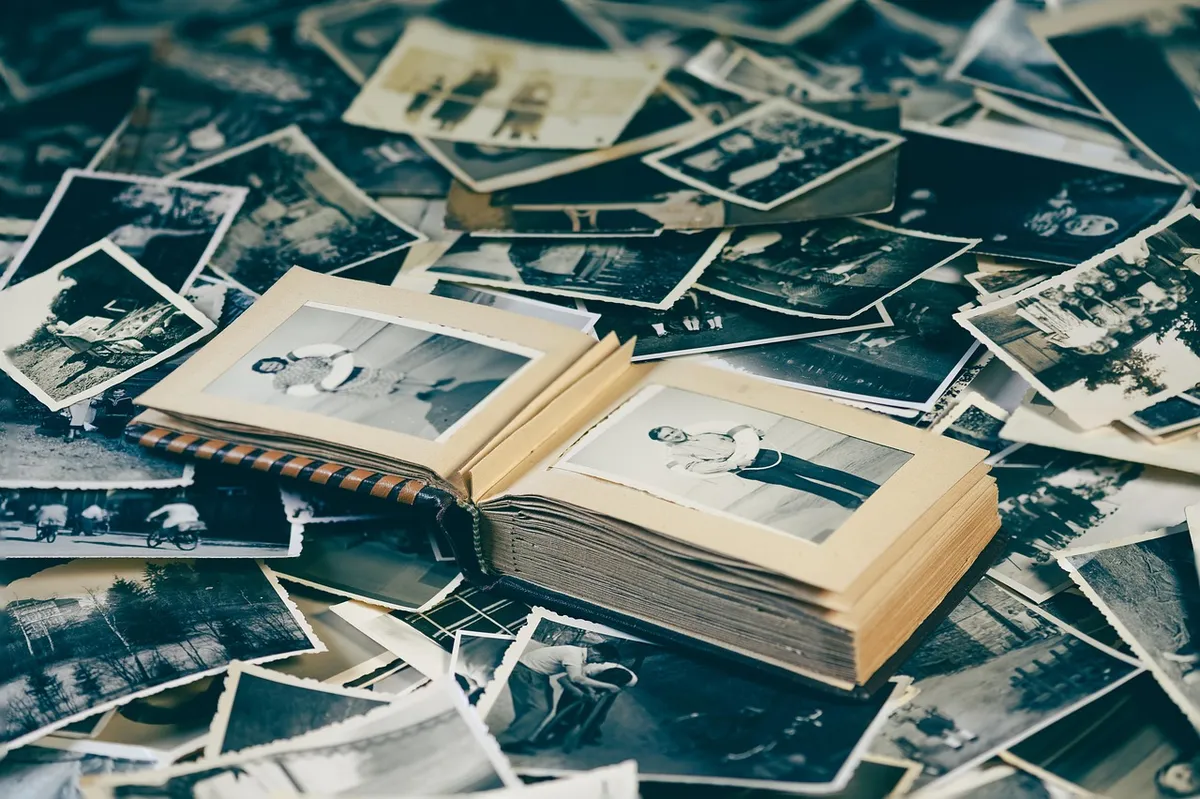
At dawn, a user swipes their thumb across the screen while viewing a curated collection on their iphone.
A user taps a search bar and types a specific subject, watching as the device instantly pulls up relevant images from different years. This AI iPhone album experience removes the manual burden of sorting through thousands of snapshots.
Instead of scrolling endlessly, the system understands the context of the images.
The core of this shift lies in how the software interprets visual data to group similar subjects. This AI photo album upgrade allows for semantic searches, where a user can find "sunset" or "dog" without manual tagging.
By automating the organization process, the device ensures that important moments are never buried under technical clutter.
An AI photo album upgrade essentially changes the relationship between the user and their device. Rather than being a mere storage bin, the phone acts as a digital curator. This shift ensures that the most meaningful content remains accessible through intuitive interface changes.
What are the best iPhone AI photo features for organization?
As dawn breaks, a finger swipes across the glowing screen of an iphone to watch faces emerge from a sea of snapshots.
A finger swipes through a "Memories" tab, where the phone has automatically generated a video montage set to music. These iPhone AI photo features leverage machine learning to recognize faces, locations, and even emotional tones in photos. It turns a static collection into a living narrative.
These features allow the device to recognize specific people and group them into dedicated albums automatically. An intelligent Smart album experience provides a way to relive specific time periods without manual effort.
It identifies the best shots, often filtering out duplicates or blurry images to present a clean selection.
A Smart album experience provides a streamlined way to view life's highlights through automated curation. It uses metadata and visual analysis to create cohesive stories from disparate files. This ensures that users spend less time organizing and more time viewing.
How does the Smart album experience handle large libraries?
A heavy user opens a folder containing ten thousand files, yet the loading speed remains instantaneous. This Smart album experience handles massive datasets by indexing visual content locally on the device.
It prevents the lag typically associated with searching through vast amounts of high-resolution media.
The system utilizes on-device processing to ensure privacy while maintaining high-speed retrieval. This AI photo organization method allows the software to scan for patterns without uploading every single image to a cloud server for processing.

It balances computational power with the need for immediate visual feedback.
Effective AI photo organization relies on efficient indexing of metadata and visual features. This allows the system to categorize images by time, place, and subject matter simultaneously. Users can navigate years of history with a single tap.
How can I manage my AI-driven photo library?
A user sits on a couch, reviewing a series of suggested "Best of" albums created by the system. To maintain an effective library, follow these steps to manage the automated features:
- Review the automated "Memories" and select the ones that accurately represent your preferences. 2. Use the "Hide" or "Remove" functions to train the algorithm away from unwanted shots or duplicates. s3. Verify that facial recognition groups are correctly assigned to the right individuals.
I noticed that after adjusting the person tags, the suggested albums became much more accurate to my actual life. Managing the library involves a mix of manual oversight and letting the algorithm learn from your interactions.
Are there limitations to these automated features?

A user tries to find a specific document photo that the AI has miscategorized as a scenic landscape. While powerful, the system can occasionally struggle with highly specific or ambiguous visual data.
The primary limitation is that the AI relies on visual patterns and may not understand the human significance of every photo. If a user has not provided enough context or if the image quality is poor, the automated grouping might fail.
This can lead to incorrect person tagging or misplaced subjects in certain albums.
- How does an AI iPhone album experience change daily use?
- What are the best iPhone AI photo features for organization?
- How does the Smart album experience handle large libraries?
Related
- AI health app Korean support: Tips for better usability
- AI photo album appeal: How smart photo organization works
When does the AI begin to learn from my interactions?
The AI starts learning immediately upon user interaction with the photo library. Every time a user corrects a tag or removes a suggested memory, the system incorporates that feedback. This continuous learning process refines the algorithm's understanding of the user's personal visual language.
The empty screen becomes a dynamic canvas reflecting these learned preferences over time.
This iterative refinement means that the initial automated groupings are merely suggestions. The system improves its accuracy as the user actively engages with the content. The relationship between the user and their device evolves from passive viewing to active collaboration in curation.
What happens when the AI encounters ambiguous imagery?
When the AI encounters ambiguous imagery, the system defaults to presenting the image within a broader context. For instance, if a photo lacks clear subject markers, it might group it based on time or location metadata.
This cautious approach prevents the system from making a definitive, potentially incorrect, categorization. The user must then review this ambiguous content to guide the AI's future decisions.
If the initial automated grouping fails due to poor image quality, the system presents the image in a general feed rather than a specific, incorrect album.
This allows the user to manually place the photo where it belongs, thus providing the necessary context for the AI to learn from the empty screen state.
The transition toward an AI iPhone album experience requires user participation to maximize its potential. The device provides the initial structure, but the user supplies the nuanced understanding of their life captured across thousands of digital memories.
Wikipedia: History of the iPhone (full) Based on the retained excerpt mentioning Instituto Nacional da Propriedade Industrial") issued: In February 2013, the Brazilian Patent and Trademark Office (known as "Instituto Nacional da Propriedade Industrial") issued a ruling that Gradiente Eletrônica, not Apple, owned the "iPhone" mark in Brazil.







Comments 0