AI iPhone album UI trends guide to better photo experience
"The evolution of how we store and view our lives is often dictated by the hardware that holds our memories."
The future of the AI iPhone album lies in a seamless integration of intelligent sorting and intuitive user interface design to manage growing digital libraries. This analysis explores how smart photo album design can transform raw data into meaningful collections through automated organization.
Key takeaways include the transition from manual sorting to predictive layouts, the importance of hardware-software synergy, and the shift toward intent-based user experiences.
How will AI iPhone album UI trends reshape our visual history?
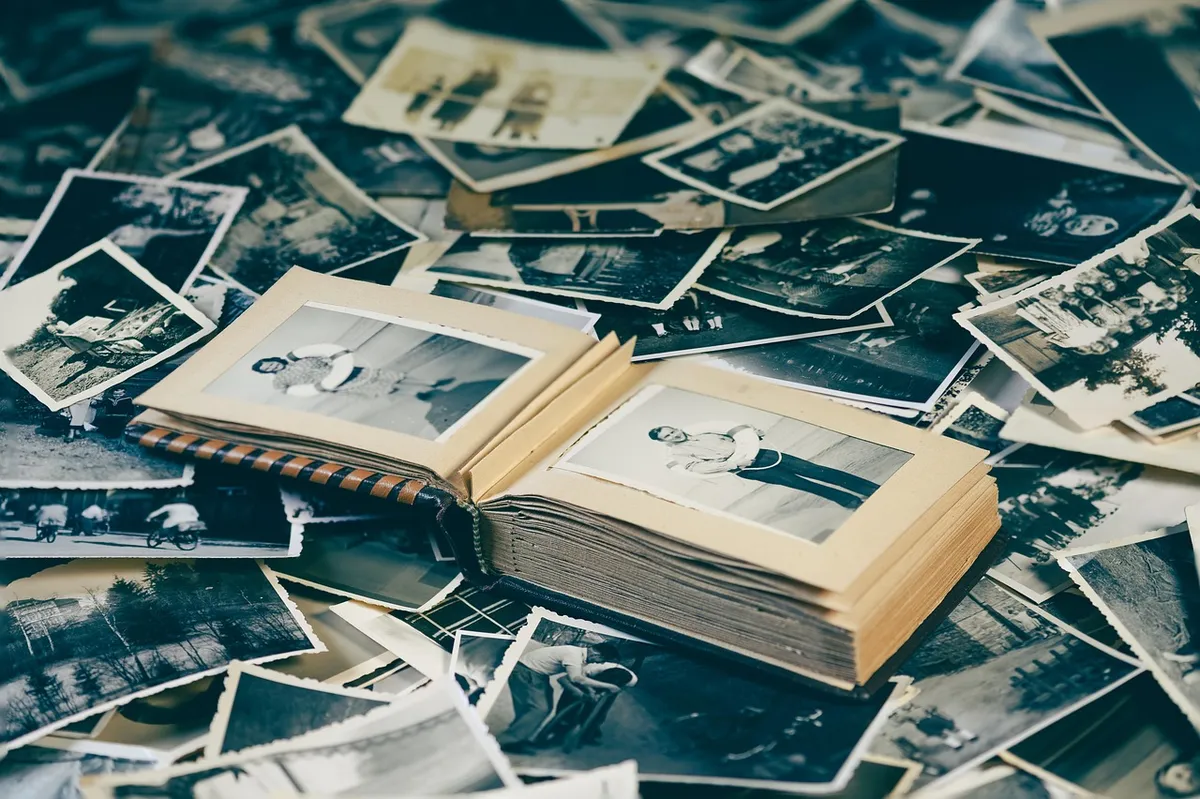
At sunset, my thumb swipes across the glowing iphone screen, feeling the heat of the device as it automatically sorts my past into new stories.
A user swipes through a cluttered screen, searching for a specific moment lost among thousands of screenshots. This frustration defines the current state of mobile photography management.
AI iPhone album UI trends indicate a shift from chronological listings to semantic grouping. Instead of scrolling through endless dates, the interface will recognize people, places, and emotional contexts.
This shift allows the software to surface the right image at the right time without manual intervention.
Smart photo album design requires a deep understanding of user intent. By analyzing metadata and visual patterns, the system can predict which photos belong in a "vacation" folder or a "family" album.
This automation reduces the cognitive load on the user, making the digital experience feel more natural and less like a filing task.
Can better app design fix my digital clutter? A finger taps a screen, attempting to find a single clear shot in a sea of blurry duplicates. The clutter becomes a barrier to enjoying the memories themselves.
Improving photo app UX involves creating a system that proactively manages storage and organization. AI can identify near-duplicate shots and suggest the best one to keep, effectively cleaning the album in the background.
This process ensures that the most high-quality images are always at the forefront of the user's view.
Next gen photo interface designs will likely focus on much more than just viewing. They will involve active curation where the AI acts as a digital assistant.
This assistant can create highlight reels or thematic albums based on subtle cues, such as lighting or composition, ensuring that the user's best moments are always organized and accessible.
What will AI do to organize my photos in the future? A user stares at a screen where a single photo is surrounded by hundreds of irrelevant images. The goal is to make the interface feel as though it knows the user's preferences.
AI photo organization ideas focus on the transition from reactive to proactive management. Rather than waiting for a user to create an album, the system suggests groupings based on real-time activity.
This predictive capability turns a static storage bin into a living, breathing narrative of the user's life.
The interface must remain unobtrusive while providing these intelligent services. A successful design will offer subtle suggestions rather than forced reorganizations.
This balance ensures that the user remains in control while benefiting from the heavy lifting performed by the underlying machine learning models.
How will the future of iPhone photo experience impact user behavior?
A person holds a device, realizing they spend more time organizing photos than actually taking them. This imbalance indicates a need for more intelligent automation.
The future of iPhone photo experience will likely see a shift in how users interact with their devices. As the interface becomes more capable of understanding context, users will rely less on manual tagging and more on natural language queries.
Searching for "that sunny day at the beach" becomes as simple as typing a sentence.
AI photo sorting user behavior will evolve as the interface becomes more intuitive. As people become accustomed to automated curation, they will expect the device to understand the significance of certain moments.
This expectation will drive further development in emotional recognition and contextual awareness within the software.
Could user feedback on AI albums lead to better interface design?
A designer looks at a screen filled with user interaction data, trying to understand why certain features are ignored. This feedback loop is essential for iterative growth.
User feedback on AI albums is a critical component of the development cycle. Real-world usage reveals where the AI succeeds and where its suggestions feel intrusive or incorrect.
By analyzing these interactions, developers can refine the algorithms to better match human perception and aesthetic preferences.
Refining these systems requires a constant dialogue between the user and the machine. If an AI suggests a photo that the user deems unimportant, the interface must provide a way to teach the system.
This learning process is what will eventually lead to a truly personalized and intelligent photography experience.
Summary of UI Development Paths
| Feature Category | Current Manual Approach | Future AI-Driven Approach |
|---|---|---|
| Organization | Manual folder creation | Automated semantic grouping |
| Search | Keyword and date-based | Natural language and intent-based |
I observed how a simple change in how folders are displayed can completely change how a person interacts with their history.
The development of these interfaces must account for the physical limitations of the hardware. While software intelligence grows, it remains tethered to the device's processing power and storage capabilities.
- How will AI iPhone album UI trends reshape our visual history?
- Can improving photo app UX solve the problem of digital clutter?
- What are the key AI photo organization ideas for the future?
Related







Comments 0