AI health app data insight: How to best use tips
"Language is the lens through which we interpret the complexities of our own biology and well-being."
AI health app data insight relies heavily on linguistic precision to ensure that users do not misinterpret critical wellness metrics. By providing support in native languages like Korean, these tools allow for more culturally appropriate and accurate data interpretation.
This article explores how localized language models improve reliability, the importance of population uptake, and how to effectively use these digital tools.
* Localized language models offer higher agreement in cultural appropriateness. * Effective digital health interventions require significant population uptake. * Language support bridges the gap between raw data and actionable health insights.
How does language support improve AI health app data insight?
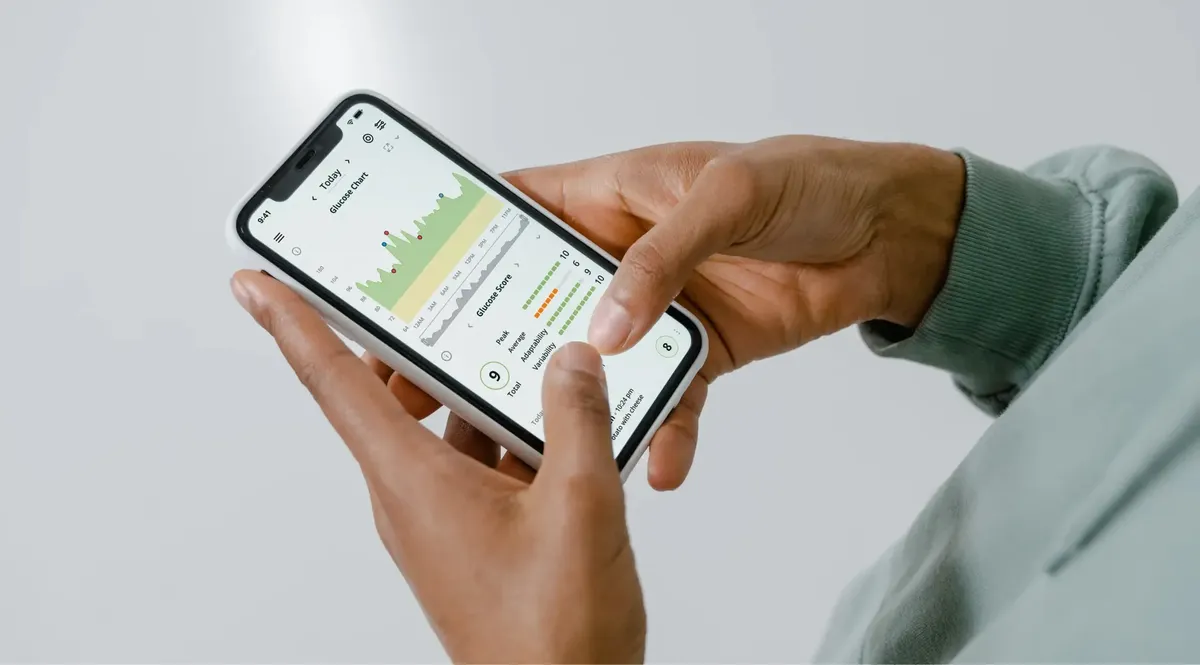
A user sits in a quiet living room, staring at a smartphone screen where complex medical terms appear in a familiar script. The interface translates a sudden spike in heart rate variability into a clear, culturally relevant explanation rather than a vague technical warning.
According to a study published in JMIR AI, local Small Language Models (SLMs) demonstrate significantly better performance in specific contexts.
This seamless interaction allows for deeper AI health app data insight by removing the cognitive load of translation.
According to a study published in JMIR AI (2026), local Small Language Models (SLMs) demonstrate significantly better performance in specific contexts.
The research noted an interrater reliability of ICC=0.575 for SKT A.X 4.0 Light regarding cultural appropriateness, which was notably higher than the ICC=0.211 seen for GPT-4o.
This suggests that when an app speaks a user's native language through a specialized model, the interpretation of health data becomes more consistent and culturally grounded.
Using a Korean support health app ensures that the nuances of medical advice are not lost in translation. This specialized approach facilitates personalized health tracking by aligning the software's logic with the user's linguistic expectations.
When the AI understands the cultural context of a user's lifestyle, the resulting accurate data interpretation becomes a much more powerful tool for long-term wellness.
Nuanced language support allows AI models to capture subtle emotional cues and cultural idioms, leading to a more precise interpretation of user-reported symptoms and mental health states.
Why is population uptake vital for these tools?
At dusk, the technician feels a chill in the command center while watching the sparse map of health data flicker on the screen.
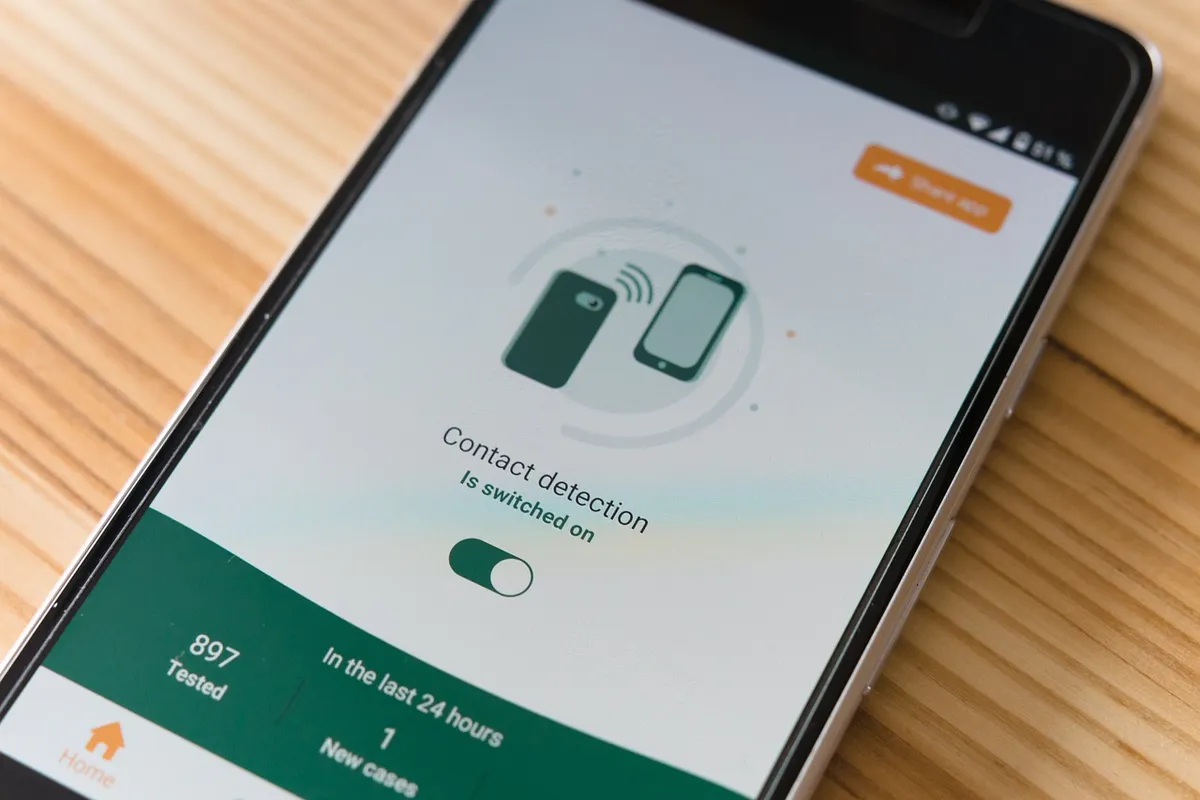
A technician monitors a digital dashboard in a central command center, watching a map where glowing dots represent active users across a metropolitan area. The density of these dots determines the strength of the data network, as a sparse map indicates a lack of actionable intelligence.
This visual representation highlights why widespread adoption is a prerequisite for any successful digital health initiative.
The effectiveness of a digital health tool is tied directly to how many people actually use it. For applications to be truly effective, there needs to be a minimum 56-60% uptake in the population.
Without this threshold, the data collected lacks the statistical weight necessary to provide meaningful community-level insights or to track the spread of health trends accurately.
In some scenarios, even higher participation is required to achieve specific public health goals. For example, it was estimated that if an app were used alongside the shielding of older populations, 56% of the total population would need to be active for the tool to effectively suppress a virus.
This level of engagement is equivalent to roughly 80% of smartphone users in the United Kingdom.
Broad adoption ensures that the underlying algorithms are exposed to diverse datasets, which helps reduce bias and improves the accuracy of predictions across different demographics.
How can I use an AI-based wellness tool effectively?
A person holds their phone during a morning walk, checking their progress against the goals set by their digital assistant. They follow a structured routine to ensure the data being fed into the system is high-quality and consistent.
Following a specific sequence helps maximize the benefits of an AI-based wellness tool.
- Sync all wearable devices to the app to ensure a continuous stream of biometric data. 2. Input dietary and sleep information in the native language supported by the app to ensure accurate categorization. 3. Review the weekly summary generated by the AI to identify patterns in your physiological responses.
After completing these steps, perform a final check by verifying that the app's interpretations align with your physical sensations. I found that confirming the digital feedback against my actual energy levels helped me refine the data I entered.
- Set specific, measurable wellness goals to track progress accurately.
- Input data consistently to establish a reliable baseline for the AI.
- Review the generated insights regularly to adjust your daily habits.
What are the limitations of these applications?
A researcher reviews a dataset on a large monitor, noting where the data points become thin or unreliable. The screen shows a gap in the timeline where certain demographics are underrepresented, making it difficult to draw broad conclusions.
Recognizing these gaps is essential for understanding the scope of digital health technology.

The efficacy of these tools is limited by the specific conditions of their deployment and the demographics of the users. For instance, the ability to suppress a virus through an app is conditioned on the simultaneous shielding of those over 70 years old.
Furthermore, the utility of the data is restricted to the specific populations that have achieved the necessary 56-60% uptake.
These tools cannot replace professional medical diagnosis and may struggle to interpret complex medical histories or rare physiological conditions.
The same subject is also called AI based wellness tool.
This part also covers AI health app custom care.
This part also covers Medical tech data analysis.
This part also covers User experience health apps.
AI health app custom care
Related





Comments 0