iPhone AI health app value: Guide to mobile health data use
"The future of personal health tracking lies in the palm of our hands, where hardware meets intelligence."
The iPhone AI health app value is driven by how integrated hardware and software can transform raw data into actionable insights. This discussion examines the practical benefits of smart health monitoring, the potential of personalized health tracking, and the integration of mobile health data use.
Key takeaways include the evolution of sensor technology, the shift in connectivity, and the growing importance of data-driven wellness.
How does the iPhone AI health app value evolve with hardware?
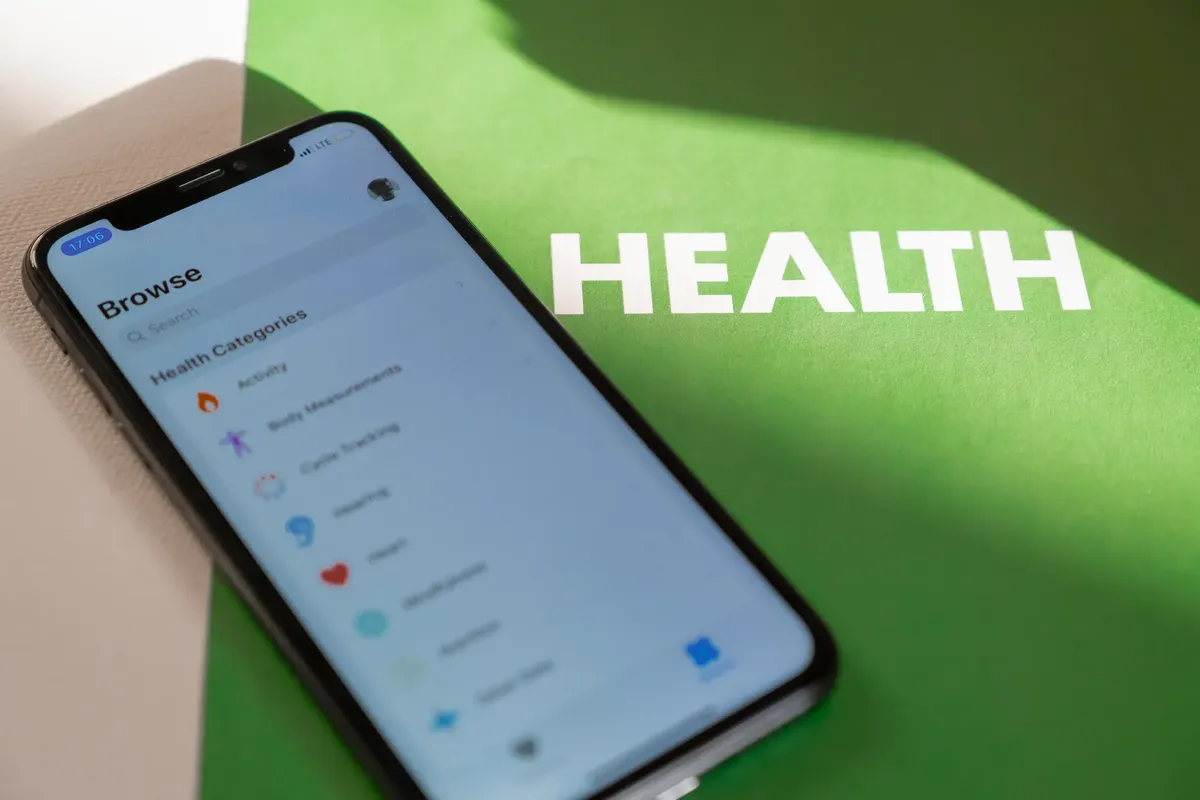
A user stares at a sleek, high-resolution screen, swiping through complex biometric charts that were once impossible to display. The hardware provides the foundation for every measurement, moving from simple step counting to sophisticated physiological monitoring.
The iPhone AI health app value is deeply tied to the sensors embedded in the device. As screen sizes grew from the original 3.5-inch display to the 6.9-inch screens seen in the iPhone 16 Pro Max series, the interface for interacting with health data became more expansive.
This growth allows for more detailed visual representations of health trends.
This hardware evolution supports the potential of personalized health tracking. With larger, more responsive screens, users can more easily navigate through various health metrics. The physical stability and sensor precision of modern devices ensure that the data being collected is consistent.
The importance of mobile health data use relies on these hardware advancements. As sensors become more sophisticated, they can capture more nuanced information about the user's body. This shift transforms the smartphone from a communication tool into a comprehensive health companion.
What are the AI health app benefits in daily life?
At dawn, a tired traveler taps the glowing iphone screen to see how sleep data affects their morning energy.
A person wakes up and immediately checks their sleep data, seeing a detailed breakdown of their rest cycles. The app uses historical data to provide context for the current morning's energy levels.
The AI health app benefits stem from the device's ability to recognize patterns over time. By analyzing sleep, activity, and heart rate, the system can highlight deviations from a user's normal baseline. This proactive approach helps in identifying potential issues before they become significant.
Smart health monitoring becomes more effective when it is continuous. The constant stream of data allows the AI to build a comprehensive profile of the user's health. This profile is then used to provide tailored advice and alerts.
The integration of these features makes the technology indispensable for many. Users can see how their lifestyle choices, such as exercise or sleep hygiene, directly impact their biometric data. This feedback loop encourages healthier habits through real-time reinforcement.
How does personalized health tracking work?
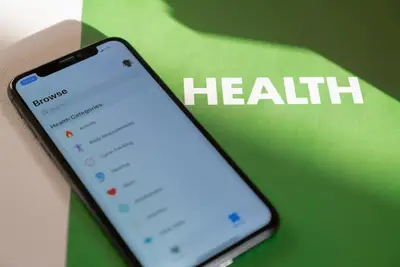
While sitting at a wooden desk during the afternoon, a woman grips her iphone tightly as the screen displays her unique wellness patterns.
A runner adjusts their pace after receiving a notification about their current heart rate zone. The app suggests a specific intensity to optimize their training session.
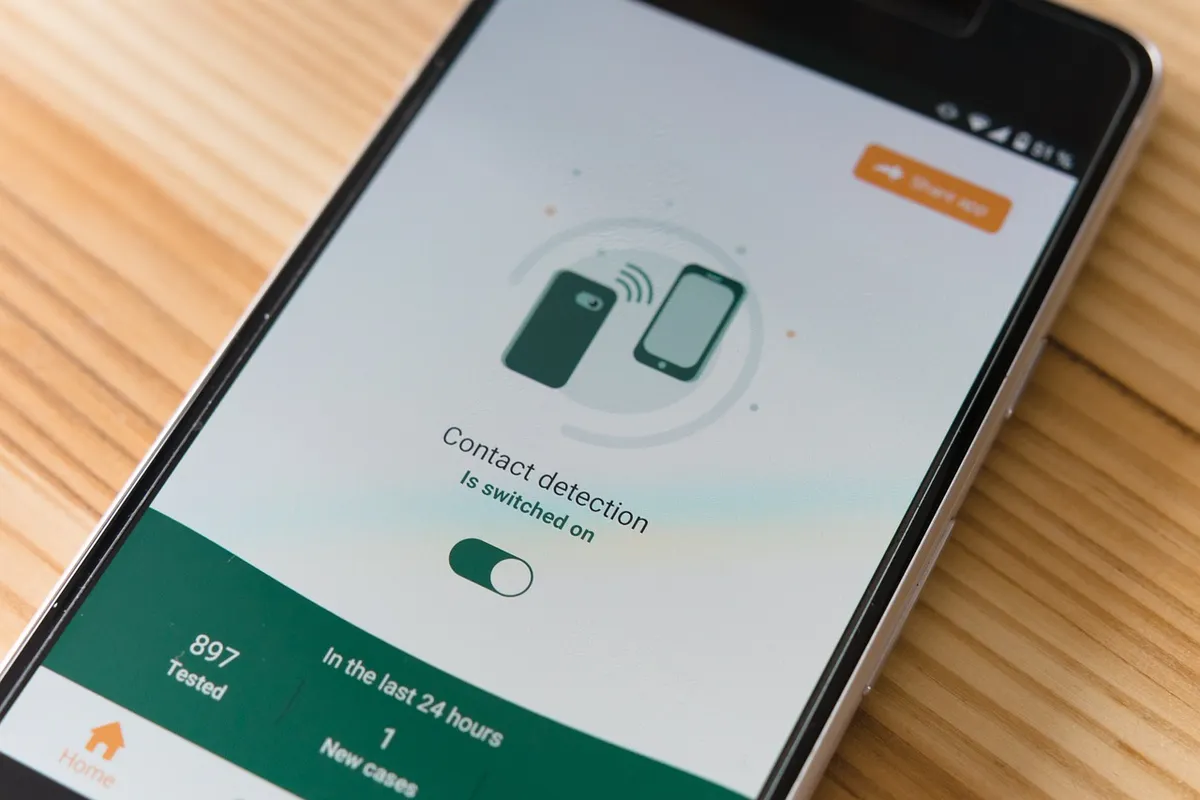
The process of personalized health tracking involves the constant refinement of algorithms based on individual user data. The system learns the unique physiological signatures of the user, making its insights more accurate over time.
This prevents the "one size fits all" error common in traditional health advice.
The goal is to provide insights that are relevant to the individual's specific needs and goals. For someone focused on cardiovascular fitness, the app might prioritize heart rate variability. For another, it might focus more on sleep quality and recovery.
This level of customization is a core component of modern mobile health. It moves the conversation away from generalities and toward specific, actionable intelligence. The user receives guidance that is as unique as their own biology.
What is the real value of health software?
A user reviews a monthly report that summarizes their overall health progress. The software translates complex data into easy-to-understand trends and achievements.
The real value of health software is its ability to turn data into meaning. Without intelligent software, a collection of numbers is just noise. The software provides the context necessary to understand what those numbers actually signify for the user's well-being.
This intelligence enables more effective decision-making in daily life. By understanding trends, users can make informed choices about their diet, exercise, and rest. This empowerment is a central benefit of the digital health revolution.
The software acts as a bridge between the user and their biological data. It simplifies the complexity of human physiology into a manageable and understandable format. This clarity is what makes the technology so impactful for the average user.
How can we ensure trust in medical tech apps?
A user considers whether to share their health data with a physician. They look for clarity on how their information is stored and used by the software.
Building trust in medical tech apps requires transparency and data security. Users need to know that their sensitive health information is protected by robust encryption and privacy protocols. The integrity of the data is paramount to the utility of the application.
Reliability is another critical factor for trust. The sensors must provide accurate readings, and the software must interpret them without significant error. If the data is perceived as unreliable, the user will quickly lose interest in the platform.
The intersection of technology and health demands a high standard of accountability. As these apps become more integrated into the healthcare ecosystem, the responsibility to maintain user trust grows. This trust is the foundation upon which the entire industry is built.
| Feature Comparison | Original iPhone (2007) | iPhone 16 Pro Max |
|---|---|---|
| Screen Size | 3.5 inches | 6.9 inches |
| Primary Camera | 2.0-megapixel | High-resolution AI-driven |
I compared the screen sizes to see how much more room we have for health data visualization today.
The expansion of the iPhone's capabilities is a testament to the rapid pace of technological change. While the original device was a communications powerhouse, today's models are sophisticated data collection tools.
However, the effectiveness of these tools is limited by the accuracy of the underlying sensors and the quality of the algorithms used to interpret the data.
- How does the iPhone AI health app value evolve with hardware?
- What are the AI health app benefits in daily life?
- How does personalized health tracking work?
This part also covers How AI improves health apps.
Related





Comments 0