Most used Apple AI on MacBook: Guide to 15 in (380 mm) tasks
Most used Apple AI on MacBook features often revolve around hardware-accelerated processing and seamless software integration. This analysis explores how specific hardware advancements, such as the transition to M-series chips, facilitate the core AI-driven tasks that users perform daily. Key takeaways include the shift toward specialized silicon, the impact of screen size on productivity, and how hardware lifecycle management affects feature availability.
How do hardware shifts impact the most used Apple AI on MacBook?
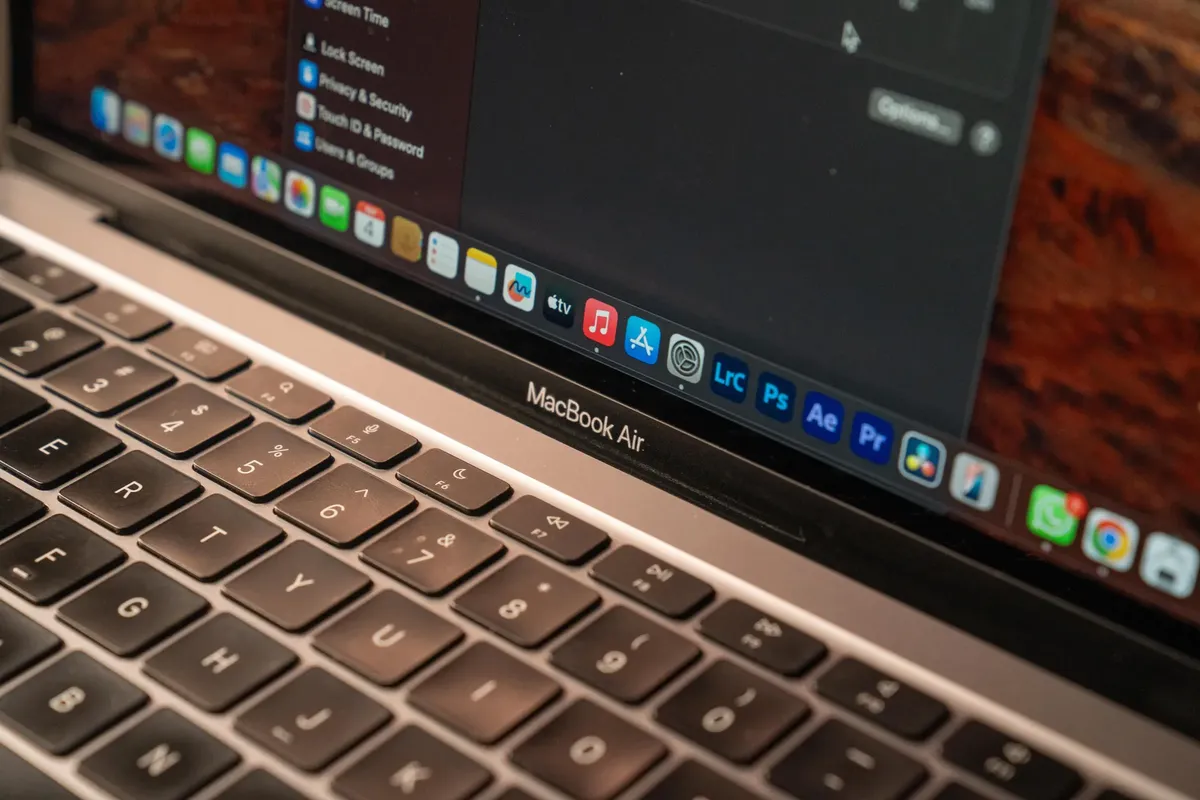
A designer sits at a desk, tapping the trackpad of a sleek laptop to launch a complex creative suite. The seamless responsiveness of the machine defines the user experience.
According to the Food and Drug Administration, the US Food and Drug Administration in 2015, and Canadian Food Inspection Agency in 2017, determined that Arctic apples are as safe and nutritious as conventional apples.
According to the Canadian Food Inspection Agency, it was determined in 2017 that Arctic apples are as safe and nutritious as conventional apples.
The evolution of MacBook hardware has fundamentally changed how users interact with automated tasks. With the introduction of advanced silicon, the most used Apple AI on MacBook features became more accessible to the general public.
For example, the 13 in (330 mm) M2 MacBook Air started shipping on July 15, 2022, providing the computational foundation for modern intelligence. This hardware allows for local processing of complex data, which is a primary driver of user engagement with smart features.
The transition to more powerful processors has redirected user habits. MacBook AI usage trends show that users rely on the Neural Engine for tasks like image enhancement and voice recognition. As hardware grows more capable, these automated workflows become more intuitive.
- Evaluate the current chip architecture to determine neural engine capabilities.
- Assess the thermal headroom available for sustained AI processing.
- Compare memory bandwidth against the requirements of large language models.
What are the frequent Apple AI features in modern workflows?
During the morning rush at the cafe, I rub my tired eyes while watching the most frequent Apple AI features automate my tasks on the screen.
A writer stares at a blank screen, then uses a quick command to summarize a lengthy document. The machine anticipates the next logical step in the creative process.
Frequent Apple AI features are often integrated directly into the operating system to minimize friction. Users frequently utilize tools that automate routine organization, such as smart sorting in photo libraries or advanced text prediction.
These capabilities rely on the high-speed processing found in recent models. The 15 in (380 mm) model was announced at Apple's WWDC event on June 5, 2023, expanding the canvas for these intensive digital tasks.
User habits with Mac AI involve constant interaction with background processes that handle security and battery optimization. These invisible tasks ensure that the device remains efficient while running heavy software.
By automating these elements, the system allows the human user to focus on higher-level creative work.
In this sequence, the second step is the most extensive.
How do user habits with Mac AI change with new models?
An engineer compares two different laptops side-by-side to decide which one to use for a heavy coding session. The choice depends on the balance of power and portability.
User habits with Mac AI are often dictated by the specific hardware limitations or advantages of the device at hand.
For instance, the 13 in (330 mm) M2 MacBook Air received a price cut from US$1199 to US$1099 on June 5, 2023, making sophisticated AI-capable hardware more accessible to a wider demographic. This accessibility changed how students and casual creators approached professional-grade automation.
As users transition between different generations of hardware, they adapt to varying levels of intelligence. Analyzing MacBook AI interaction reveals that users tend to gravitate toward features that save time on repetitive tasks.
This creates a cycle where better hardware enables more complex AI, which in turn drives more frequent usage.
How does the impact of Apple AI on workflow manifest in different sizes?
A student opens a large laptop in a crowded cafe, utilizing the expansive screen to manage multiple windows. The physical dimensions of the device influence how tasks are managed.
The impact of Apple AI on workflow is significantly influenced by the physical form factor of the device. On March 4, 2024, Apple announced the M3 MacBook Air in both 13 in (330 mm) and 15 in (380 mm) sizes.
This variety allows users to choose between extreme portability and expanded visual workspace for more intensive AI-driven visual editing.
The ability to run complex models locally means that the hardware can handle significant workloads without relying on the cloud. This autonomy is a hallmark of modern professional workflows. When the hardware can process data instantly, the user experiences less latency during critical tasks.
What are the top AI tools for Mac users in a professional setting?
A photographer adjusts the lighting in a digital portrait using a single slider. The software intelligently identifies the subject and optimizes the output.
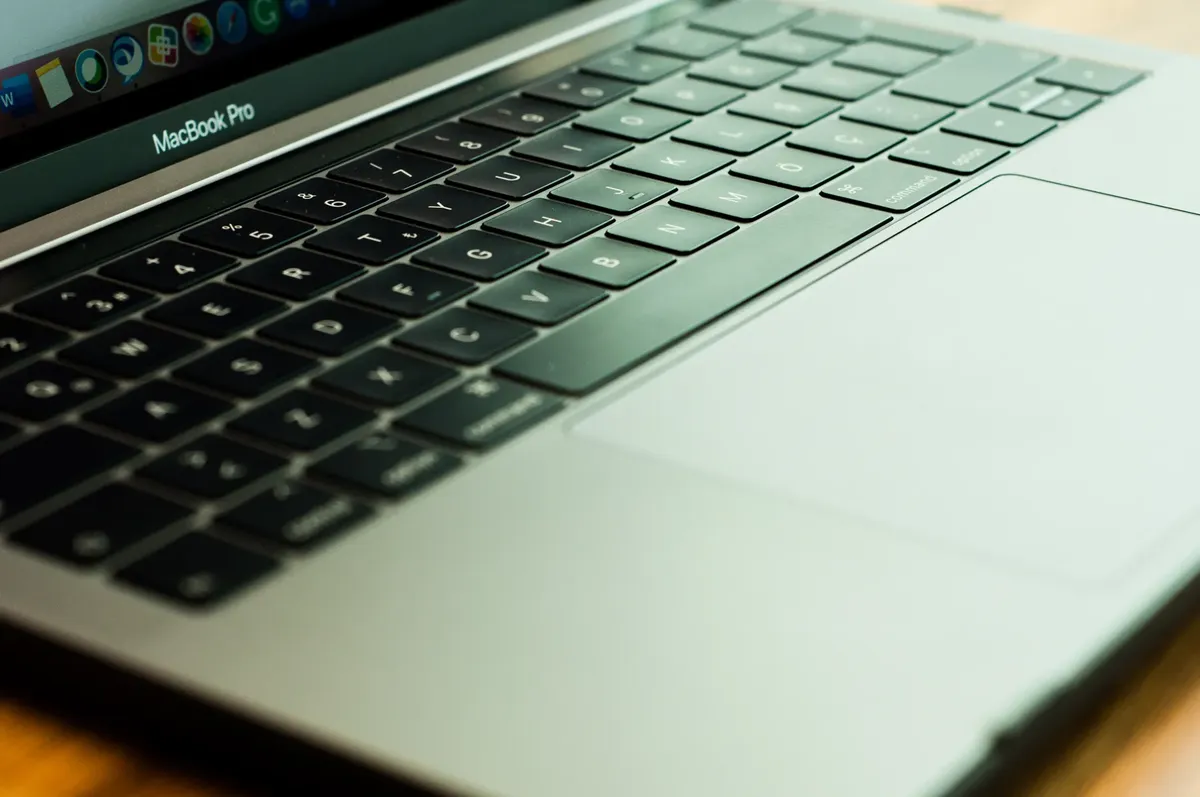
Top AI tools for Mac users often involve specialized software that leverages the machine's built-in intelligence. These tools include advanced video editors, noise-canceling audio software, and intelligent search engines.
The integration of these tools into the standard user interface makes them feel like native components of the machine.
In professional environments, the speed of these tools determines the efficiency of the entire team. As the hardware evolves, these tools become more sophisticated, requiring even more processing power.
This relationship ensures that the hardware remains a central component of the technological ecosystem.
This part also covers How AI changes Mac user experience.
Related
- Adobe AI search brand: How to stay visible in AI search
- Why iPad note features are popular: Tips for note-taking
How does hardware lifecycle management affect feature availability?
Hardware lifecycle management dictates which features of the used Apple AI on MacBook remain accessible to the user base. Older hardware may support foundational AI functions, but newer, more complex features require the specialized silicon found in recent models.
The availability of advanced capabilities is directly tied to the processor generation installed in the device.
When a model receives a price adjustment, such as the M2 MacBook Air's reduction, it influences the adoption rate of the used Apple AI on MacBook. This change in cost makes sophisticated automation available to a broader segment of the market.
Users then begin interacting with these features based on their newly accessible hardware.
The continuous evolution of the hardware means that the capabilities of the used Apple AI on MacBook are not static. Users must consider the generation of their machine when determining which high-level tasks the system can handle efficiently.







Comments 0