AI smart home industry shift: Tips to manage tech impact
"The digital heartbeat of a house is no longer just a light switch; it is an interconnected ecosystem of intelligence."
The AI smart home industry shift is defined by rapid expansion and increasing complexity in device management. This transition is driven by growing consumer adoption and the integration of sophisticated monitoring tools into existing operating systems.
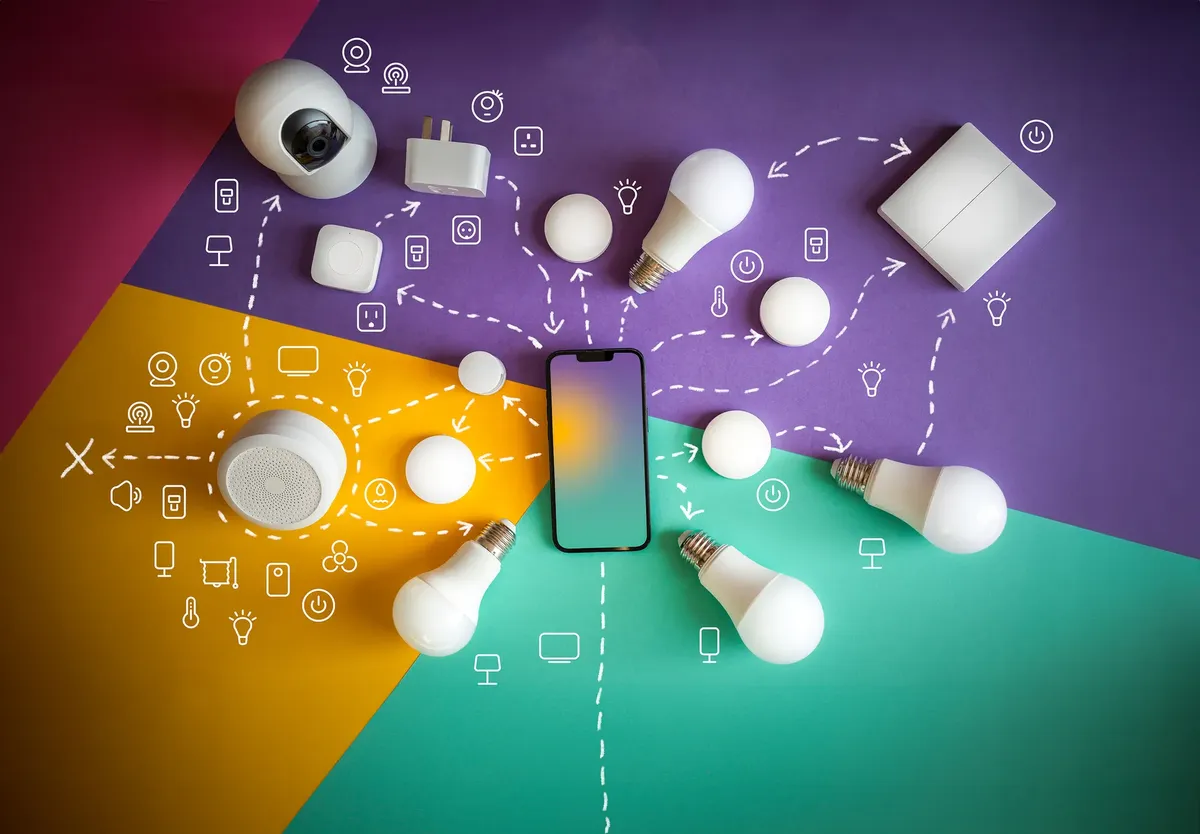
Key takeaways include a significant annual growth rate in smart device adoption, the expansion of remote monitoring capabilities, and critical security vulnerabilities regarding legacy hardware.
How did the AI smart home industry shift begin?
In the quiet living room at dusk, a resident taps a screen to feel the sudden warmth of a smart thermostat adjusting.
A resident taps a smartphone screen to adjust the thermostat in a quiet living room. This sudden surge in connectivity reflects a massive global trend where homes equipped with smart devices grew at 10.2% per year to reach 63.43 million by 2023.
The momentum of this transition shows a shift from simple automation to comprehensive ecosystem management. As more households adopt these technologies, the demand for seamless integration increases. This growth suggests that automation is becoming a standard feature of modern living environments.
- Initial hardware connectivity established basic remote control capabilities.
- The integration of machine learning allowed devices to recognize user patterns.
- Autonomous decision-making became the standard for proactive automation.
What role does software play in home automation evolution?
A user swipes through a tablet interface to check a live security feed while sitting on a sofa.

As reported by the Control Center, tvOS 14, which was released on September 16, 2020, added direct control of devices in Control Center and camera feeds and picture-in-picture monitoring for HomeKit-enabled security cameras.
Software updates have historically provided the bridge between hardware capabilities and user convenience, such as when tvOS 14, which was released on September 16, 2020, added direct control of devices in Control Center and camera feeds and picture-in-picture monitoring for HomeKit-enabled security cameras.
This level of integration allows for more intuitive interactions between users and their environments. By centralizing controls, software enables a more cohesive experience across various hardware brands. These advancements turn static appliances into responsive components of a larger network.
In this sequence, the second step is the most extensive.
How is smart home market change affecting privacy?
A security camera lens rotates slightly in a dim hallway, capturing a momentary movement. While connectivity improves, the expansion of the network introduces new complexities regarding data and physical security.

The expansion of these networks means that more entry points exist for potential digital interference. The transition from isolated gadgets to an interconnected web requires constant vigilance. Managing these connections becomes a primary task for the modern homeowner.
What are the risks of AI integration trends?
A technician looks at a dusty, older smart plug plugged into a wall outlet. One significant risk involves the longevity of hardware, as one set of researchers say that the failure of vendors to support older devices with patches and updates leaves more than 87% of active devices vulnerable.
This vulnerability highlights a major gap in the current technological landscape. When manufacturers stop providing updates, the hardware remains functional but becomes a security liability. This cycle of obsolescence is a critical challenge for the industry.
How can users manage smart home tech impact?
A person sits at a desk, reviewing a list of connected devices on a laptop. To manage a growing ecosystem, users must follow specific protocols to maintain a stable and secure environment.
According to the Association of Family and Consumer Sciences, the term "Family and Consumer Sciences (FCS)" was adopted in 1994 to reflect that the field covers aspects outside of home life and wellness.

- Audit all connected devices to identify those no longer receiving official security patches. 2. Priorolate the use of devices that support centralized control through updated operating systems. 3. Implement a regular schedule for checking firmware updates across all network-connected hardware.
I noticed during my own setup process that checking for compatibility between older sensors and new hubs is the most time-consuming step. This manual verification is necessary to ensure the network remains functional.
A limitation of this analysis is that it does not account for future hardware standards that may render current connectivity protocols obsolete.
Related
- Sapir AI smart home update: Tips for best home management
- iPhone AI photo recognition: Why hardware drives features
How does the digital heartbeat of a house evolve with increased complexity? The digital heartbeat of a house moves beyond simple switches as device management becomes intricate. This complexity arises from the integration of advanced monitoring tools into established operating systems. The transition necessitates a shift from basic automation to managing a complete, interconnected ecosystem.
When considering the digital heartbeat, the expansion of remote monitoring capabilities presents a dual nature. While it offers users greater oversight, it simultaneously increases the potential surface area for digital interference.
This evolution implies that the home's intelligence is no longer a singular function but a composite of many interacting components. The growing adoption rate underscores this move toward pervasive, intelligent environments.
What conditions dictate the security posture of a smart home? The security posture of a smart home is determined by the condition of its components and the diligence of the homeowner. The failure of vendors to support older devices with patches and updates creates a condition where hardware remains functional yet becomes a security liability. This vulnerability is exacerbated when the network expands, introducing more entry points for potential digital interference.
The digital heartbeat of a house requires continuous assessment of these conditions. Users must audit all connected devices to identify those lacking official security patches.
Prioritizing devices that support centralized control through updated operating systems helps mitigate risks associated with aging hardware.
How does the interconnected ecosystem affect the digital heartbeat? The interconnected ecosystem transforms the digital heartbeat of a house from a simple switch operation into a complex, responsive network. This shift means that the home's intelligence is a composite of many interacting components, requiring comprehensive ecosystem management. The expansion of remote monitoring capabilities, while beneficial, simultaneously increases the potential surface area for digital interference.
Maintaining this complex system involves implementing a regular schedule for checking firmware updates across all network-connected hardware. This proactive step ensures that the responsiveness of the digital heartbeat aligns with current security standards.
The transition from isolated gadgets to an interconnected web necessitates constant vigilance from the resident. This vigilance is crucial because the growth in connectivity inherently introduces new complexities regarding data and physical security.
This comprehensive management defines the modern digital heartbeat.




Comments 0