Sapir AI smart home update: Tips for best home management
"The future of domestic management lies in the seamless fusion of intelligence and hardware, where a single interface governs the entire living environment."
The Sapir AI smart home update introduces advanced integration features designed to centralize the management of connected devices through intuitive interfaces.
This update focuses on streamlining control via unified hubs, reducing the need for manual app switching, and enhancing security monitoring. Key takeaways include the ability to use direct toggles for device management, integrated camera feed monitoring, and streamlined control center access.
How does the Sapir AI smart home update change daily interaction?
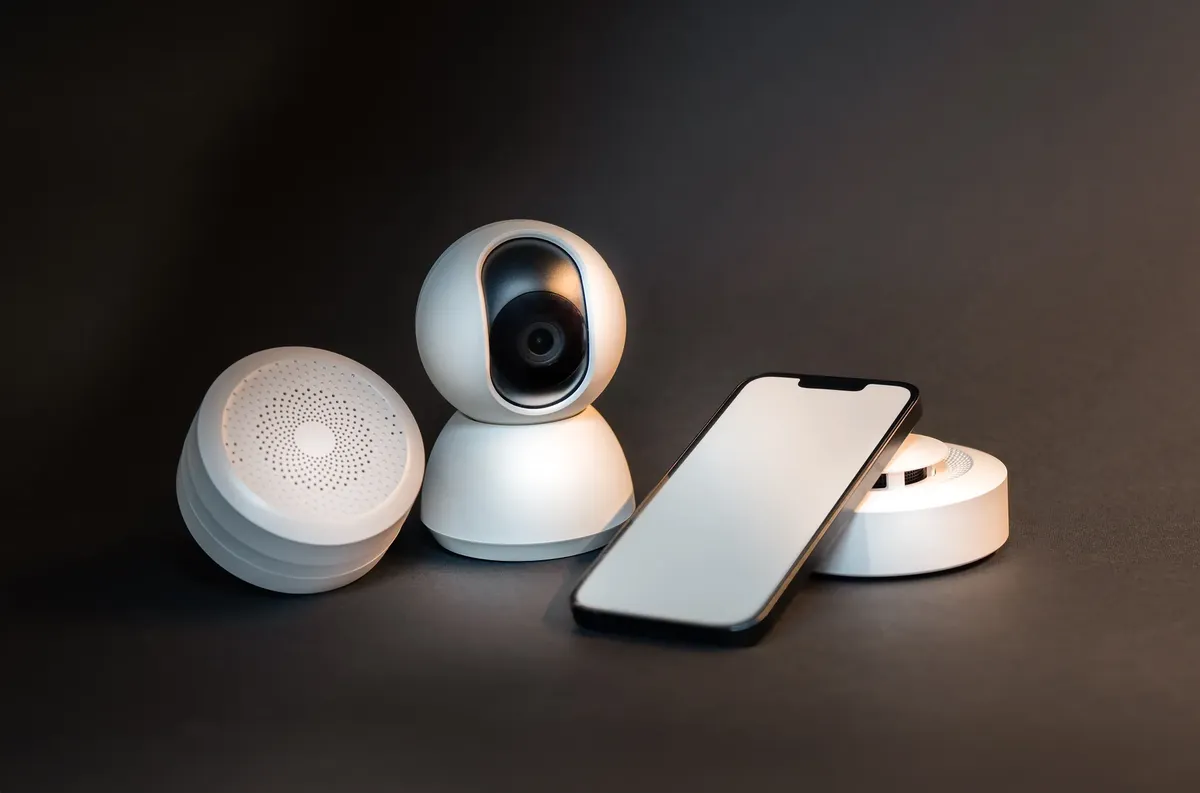
At dawn, a hand swipes across the glowing tablet to adjust the sapir interface, feeling the smooth glass under a fingertip.
A hand reaches toward a tablet to adjust the lighting without ever opening a dedicated application. The updated interface allows users to manage their environment through a centralized hub that minimizes friction between different hardware brands.
By utilizing the Control Center, users can access specific Home toggles to manage connected devices instantly. This functionality removes the necessity of using voice commands or opening a separate Home app to perform simple tasks.
Such an AI home device integration ensures that the user remains in control without constant verbal interaction.
The transition to a unified system means that managing a smart environment becomes a secondary thought rather than a primary task. This approach to AI home management update focuses on accessibility for all household members.
What are the security monitoring features?
While sitting on the sofa in the evening, I glance at the screen to watch the live sapir feed flickering in the dim light.
A person glances at a screen to check a live feed while sitting on a sofa. The update provides visual oversight that integrates security directly into the user's primary viewing experience.
According to Wikipedia, tvOS 14, which was released on September 16, 2020, added direct control of devices in Control Center and camera feeds and picture-in-picture monitoring for HomeKit-enabled security cameras.
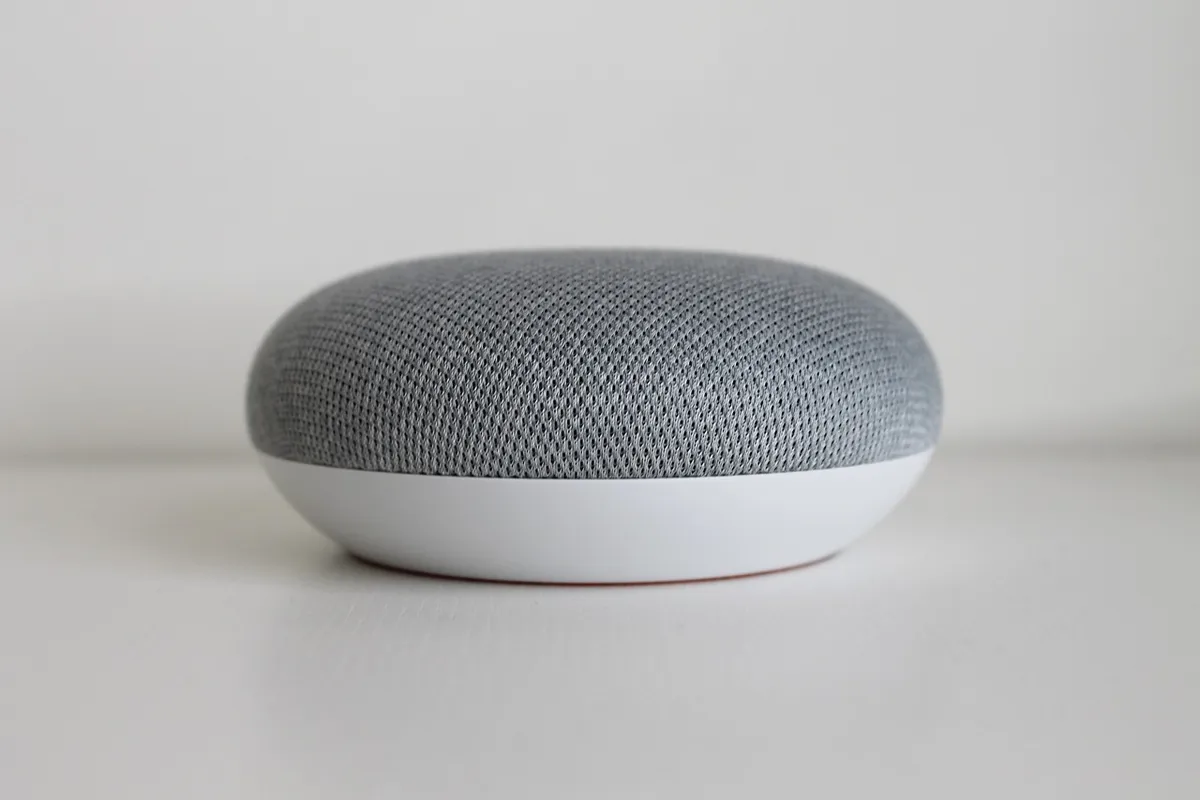
This level of visual access allows for real-time observation of premises through a single interface. A smart home unified system makes it easier to keep an eye on specific areas without switching devices.
The ability to view camera feeds through picture-in-picture ensures that security remains a background task. This functionality supports a safer environment by keeping visual data accessible during other activities.
How can users manage devices without voice commands?
A finger taps a small icon on a screen to dim the lights in a dark room. This method provides a tactile alternative to voice-activated systems, catering to different user preferences and noise environments.
Home toggles can be added to the Control Center, allowing control over connected devices without having to use Siri or open the Home app. This feature provides a quick way to adjust settings during time-sensitive situations.
It offers a reliable method for those who prefer manual control over verbal requests.
The presence of these toggles makes the smart home more responsive to immediate needs. This capability provides a significant advantage for users who want to avoid the constant use of a wake word.
Can automation reduce manual workload?
A worker looks at a dashboard showing a significant reduction in repetitive tasks. Automation serves to handle routine adjustments, leaving the user to handle only critical decisions.
One report estimated that an automated online assistant produced a 30% decrease in the work-load for a human-provided call centre. While this refers to professional environments, the principle applies to reducing the mental load of managing a household.
Effective automation handles the repetitive adjustments of temperature or lighting automatically.
An efficient system aims to minimize the time spent on domestic maintenance. By automating routine tasks, the technology acts as a silent partner in home management.
How does the system handle voice recording?
A device sits quietly on a desk, waiting for a specific sound to activate. The interaction between human voice and machine response is governed by specific triggers to ensure privacy and accuracy.
The system starts recording the conversation after the call of a wake word and stops recording after 8 seconds of silence. This specific timing ensures that the device only listens when intended. It prevents unnecessary data capture during natural pauses in conversation.
Managing the balance between responsiveness and privacy is a core component of the update. The timing of the recording window is a vital aspect of the user experience.
What are the steps for setting up the new control toggles?
A user navigates through the settings menu to customize their interface. Setting up the new controls requires a few deliberate steps to ensure the dashboard meets personal needs.
- Access the main system settings to find the Control Center customization menu. 2. Select the option to add new Home toggles to the active interface. 3. Assign specific devices to each toggle for immediate access.
After completing these steps, I found that the quick-access toggles made managing the living room lights much faster. A final check of the Control Center ensures all desired devices are correctly mapped to their respective buttons.
The setup process is designed to be intuitive for users of all technical levels. Once the toggles are placed, the user can manage their environment with a single tap.
- How does the Sapir AI smart home update change daily interaction?
- What are the security monitoring features?
- How can users manage devices without voice commands?
Related
- iPhone photo recognition AI: Guide to smart photography tips
- Why iPad note features are popular: Tips for note-taking
What are the conditions for effective domestic management?
Effective domestic management relies on the seamless fusion of intelligence and hardware to function as intended. The integration features must allow for centralized management of connected devices through intuitive interfaces for the system to succeed.
A single interface governing the entire living environment is the goal of this advanced integration.
The system's performance is conditional upon the compatibility of existing HomeKit-enabled hardware. If devices lack proper integration, the unified hub cannot govern them effectively. This condition dictates the scope of what the AI can manage within the home.
Furthermore, the user experience hinges on minimizing friction between different hardware brands. When this friction is reduced, the shift toward a secondary thought regarding home maintenance becomes achievable. This supports the overall vision for the future of domestic life.
How does the system prioritize user control?
User control is maintained by providing tactile alternatives to verbal commands. Home toggles allow users to manage connected devices instantly without relying on Siri. This capability ensures that the user remains in control even during situations where voice commands are impractical.
The Control Center serves as the primary mechanism for this immediate control. By placing specific Home toggles there, users gain quick access to device settings. This design choice supports the overall goal of accessible AI home management update.
The ability to view camera feeds through picture-in-picture also prioritizes user control. It allows for real-time observation while the user engages in other activities, keeping visual data accessible without requiring a device switch.



Comments 0