AI iPhone app integration guide for 17 workflows
"The evolution of mobile technology has transitioned from simple cellular tools to highly integrated AI-driven ecosystems that redefine how we interact with our personal devices."
The AI iPhone custom app integration represents a leap in how hardware and software work together to automate complex tasks.
This guide explores the potential of these systems, covering key takeaways such as seamless workflow automation, the role of cloud versus local processing, and the necessity of rigorous hardware testing.
How does AI iPhone app linking function?
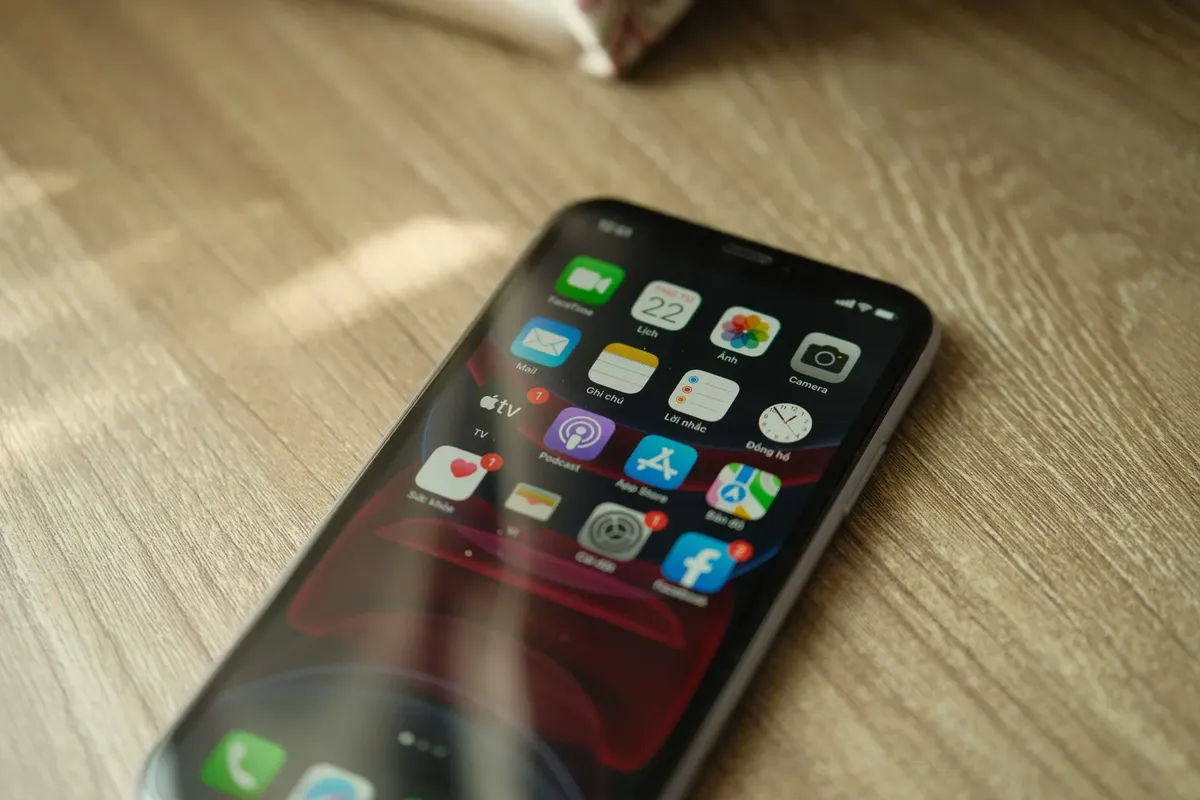
A user taps a complex command on a screen, and suddenly several disparate applications respond in perfect unison. This process of AI iPhone app linking allows different software tools to communicate through a unified intelligence layer, effectively bridging the gap between specialized functions.
Modern mobile ecosystems aim to reduce the friction of switching between apps by using intelligent triggers. By recognizing user intent, the system can pull data from one source and input it into another without manual intervention.
This creates a fluid environment where the device anticipates the next logical step in a user's routine.
The focus remains on creating a cohesive experience through high-level automation. Instead of managing individual tools, the user manages a single, intelligent interface. This shift moves the device from a passive tool to an active assistant capable of executing multi-step workflows.
What are the benefits of Custom app AI iPhone workflows?
Sitting at my desk during the morning rush, I watch my iphone execute a complex task that makes my skin tingle with relief.
A professional sits at a desk, inputting data into a specialized tool while the phone handles the background synchronization. This type of Custom app AI iPhone setup allows professionals to integrate niche, industry-specific software into their daily mobile routines through intelligent automation.
The primary advantage is the ability to maintain specialized professional workflows while moving through a mobile environment. When an app is built to interact with the core AI, it can leverage device sensors and user history to provide context-aware responses.
This level of integration ensures that professional-grade tools remain functional on the go.
Efficiency is the most significant driver for this technology. By automating repetitive data entry or status checks, users can focus on higher-level cognitive tasks. The goal is to turn a smartphone into a powerful mobile workstation through these advanced connections.
How to manage AI powered app merge tasks?
While sitting in the dimly lit office, I watch the iphone merge data streams until a warm glow fills the room.
A technician adjusts settings on a handheld device, seeing different data streams merge into a single, clear report. Mastering an AI powered app merge requires understanding how data flows between different software environments and how to set appropriate triggers for automation.
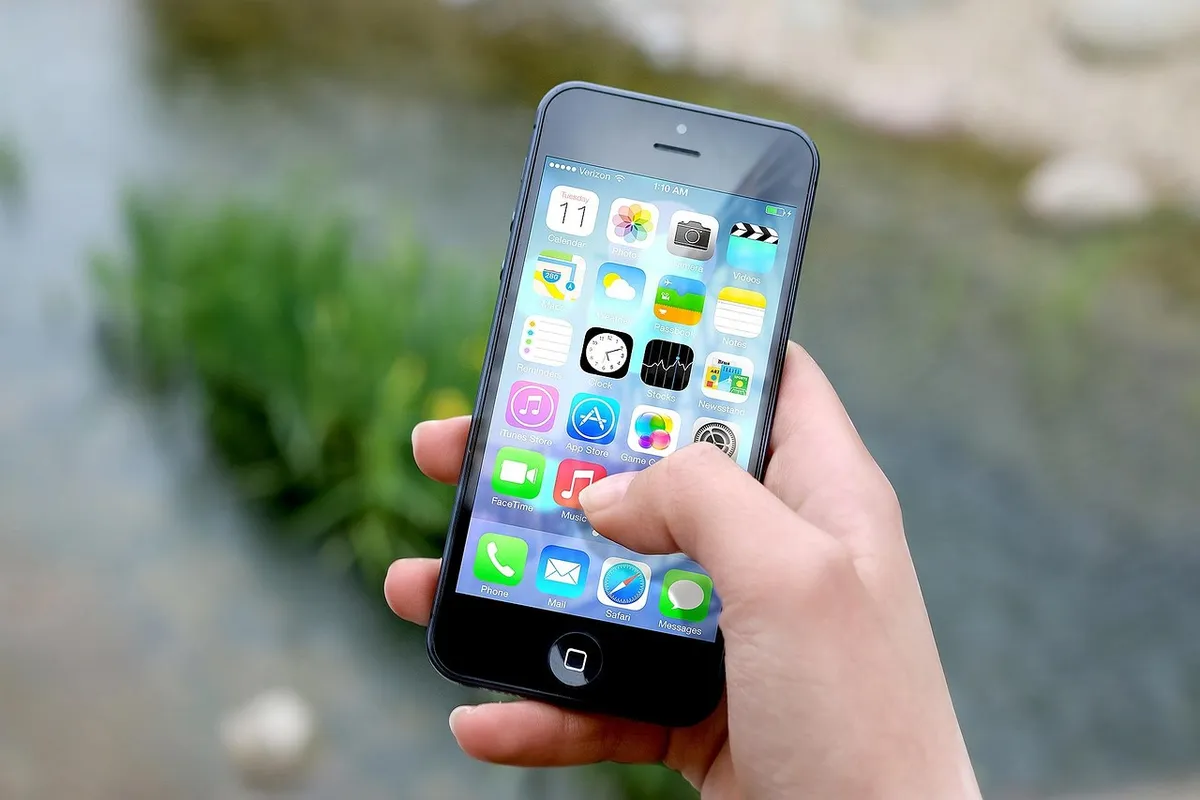
To successfully implement these integrations, users should follow these steps:
- Identify the specific data points that need to be shared between different specialized applications. 2. Configure the automation triggers within the device's intelligence layer to recognize specific user actions or time-based events. 3. Perform a final check to ensure that the data integrity remains intact during the automated transfer between apps.
I once attempted to sync a complex scheduling tool with a custom task manager, and verifying the automation logic was essential. Establishing these connections allows for a more streamlined digital life.
One limitation is that the effectiveness of these integrations depends heavily on the specific software's ability to expose necessary data to the system's AI layer.
What is the best AI app integration iPhone strategy?
A traveler uses a voice command to update a itinerary, and the phone instantly updates maps, calendars, and messaging apps. Finding the best AI app integration iPhone strategy often involves balancing local processing power with the convenience of cloud-based services.
| Feature Type | Example Model/Service | Primary Processing Method |
|---|---|---|
| Lifetime Access | Superwhisper | Local/Fixed Cost |
| Subscription | Wispr Flow | Cloud-based |
Choosing between these strategies depends on the user's specific needs for privacy, speed, and cost. Some users prefer the reliability of local processing, while others prioritize the sheer power of the cloud.
A successful strategy requires selecting tools that are compatible with the device's existing intelligence framework. This ensures that the integration is stable and does not drain the battery excessively.
How to handle Personalized app flow with AI?
A person walks through a busy terminal, and their phone adjusts their notifications based on their location and current activity.
Developing a Personalized app flow with AI involves training the device to understand individual habits and environmental contexts to provide the right information at the right time.
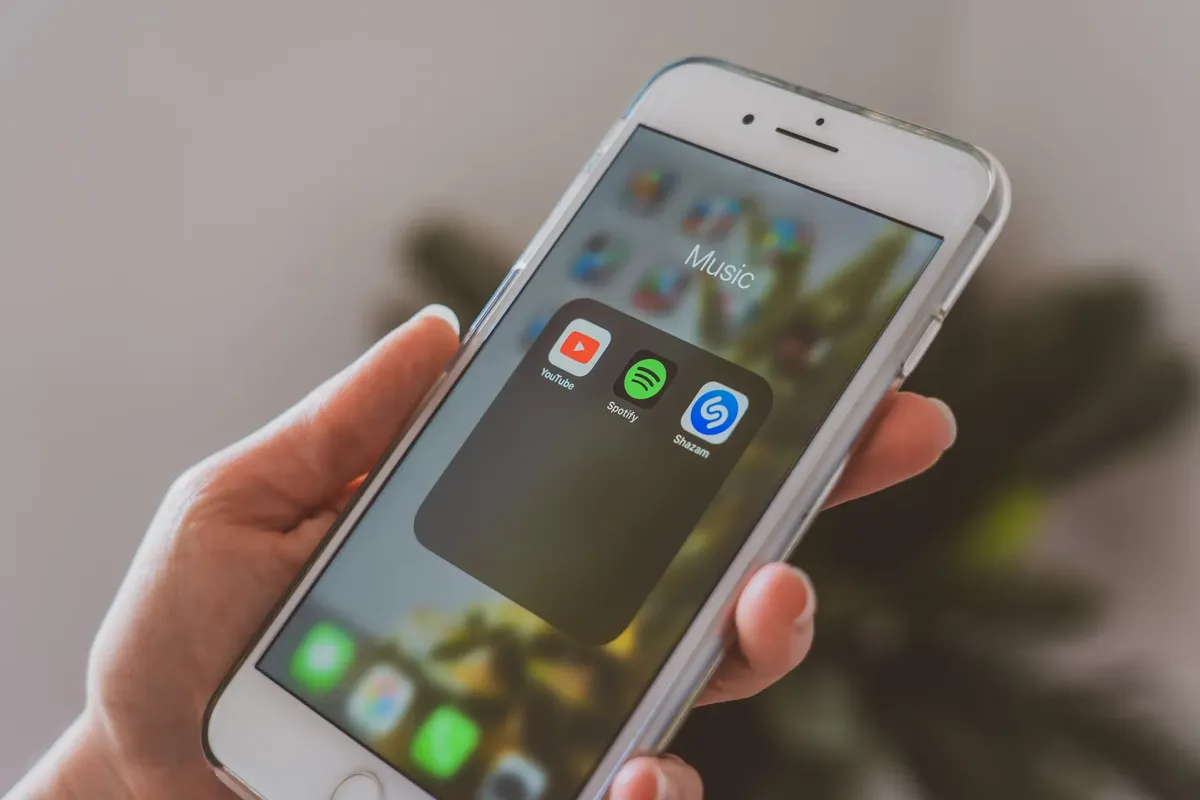
The goal of personalization is to minimize digital noise. By setting up specific rules for how apps interact, the device can present a curated stream of information rather than a chaotic influx of alerts. This creates a more focused and less distracting user experience.
Users can achieve this by setting granular permissions and learning how the AI interprets their behavior. As the system learns, the flow becomes more intuitive, requiring fewer manual inputs to achieve the desired results.
- How does AI iPhone app linking function?
- What are the benefits of Custom app AI iPhone workflows?
- How to manage AI powered app merge tasks?
AI iPhone custom app integration
The subject here is AI iPhone custom app integration.
The same subject is also called iPhone AI app setup.
Related
- AI iPhone album experience how AI changes photo viewing tips
- AI health app Korean support: Tips for better usability
What conditions affect the success of mobile technology integration? 1. The specific software's capacity to expose required data to the system's AI layer dictates integration effectiveness. 2. Users must configure automation triggers to recognize precise user actions or time-based events for successful app merge tasks. 3. The chosen strategy must ensure compatibility with the device's existing intelligence framework to prevent excessive battery drain.
The evolution of mobile technology demands that hardware testing remains rigorous to support complex AI workflows. When comparing local and cloud processing, the choice impacts privacy concerns and operational speed for the mobile device.
Maintaining data integrity is a necessary final check during the automated transfer between applications. This careful attention to detail supports the overall goal of creating a cohesive experience through high-level automation.
Wikipedia: History of the iPhone (full) Based on the retained excerpt mentioning Instituto Nacional da Propriedade Industrial") issued: In February 2013, the Brazilian Patent and Trademark Office (known as "Instituto Nacional da Propriedade Industrial") issued a ruling that Gradiente Eletrônica, not Apple, owned the "iPhone" mark in Brazil.





Comments 0