Why the interface changes between iOS and macOS devices
Apple Intelligence is designed to maintain context as you switch from a mobile interface to a professional desktop environment. Apple Intelligence aims to bridge the gap between your phone, your tablet, and your computer by creating a unified intelligence layer that moves with you. This guide analyzes how the system integrates across iOS, iPadOS, and macOS to create a cohesive user experience.
"The best way to live with technology is to have it understand you across every screen you touch."
We will look at the cross-platform mechanics, the specific functional differences between devices, and the practical steps for managing your data privacy.
* Seamless continuity between mobile and desktop environments. * Device-specific optimizations for touch versus cursor interfaces. * Privacy-centric processing through Private Cloud Compute. * Unified context awareness across the Apple ecosystem.
How does the intelligence move between devices?
In the morning I hold interface and walk through the next step.
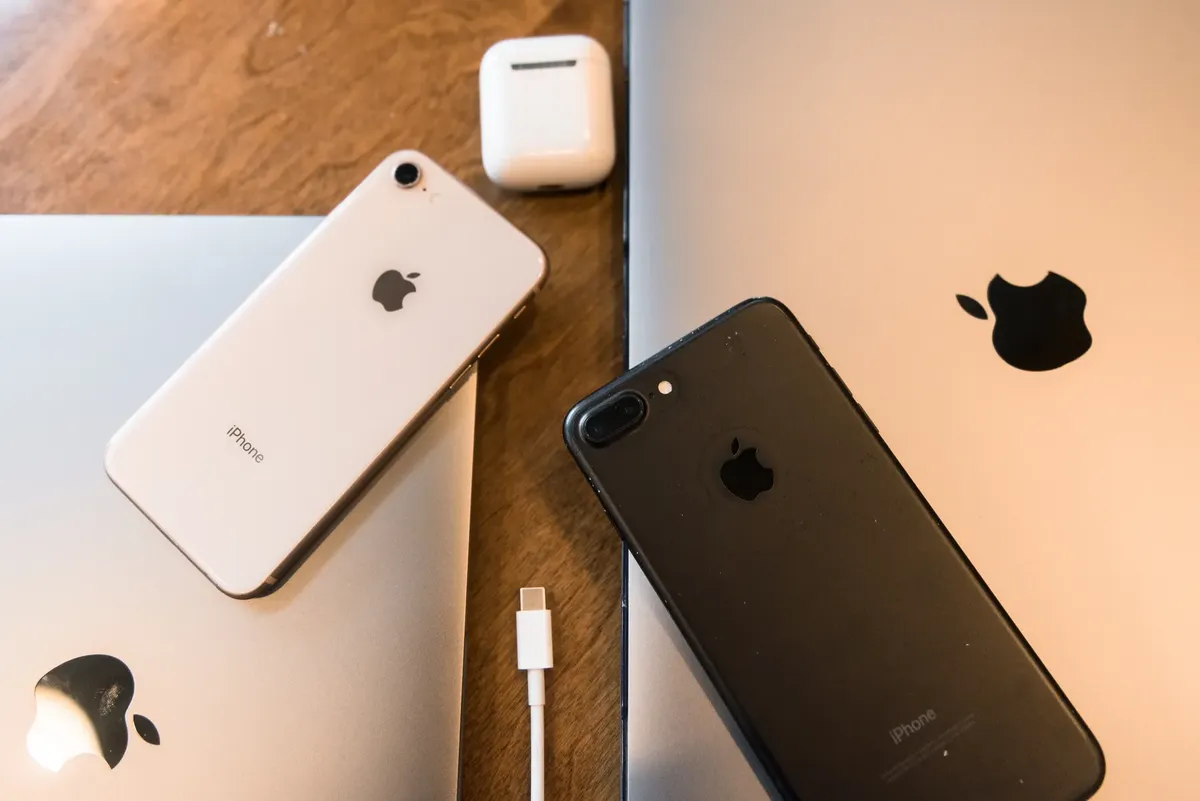
A user sits at a wooden desk, moving from a MacBook to an iPad, then grabbing an iPhone as they head toward the door. The transition is seamless, but the underlying intelligence remains consistent. According to Wikipedia: IOS (full), Apple opened its first iOS Developer Academy in Naples in 2016.
According to the Home Screen and App Library, the features introduced in 2020 were later brought to iPadOS in 2021.
The core of this integration lies in how the system handles personal context.
When you ask a question on your iPhone, the intelligence uses the data available on that device, but because of iCloud synchronization, the "knowledge" of your schedule or recent emails remains consistent when you sit down at your Mac.
This is not just about syncing files, but about syncing the understanding of your life.
The system uses on-device processing to handle immediate tasks, while more complex requests might transition to more powerful hardware.
This creates a hierarchy where your iPhone handles quick text summaries, while your Mac might handle more intensive creative tasks, all while staying within the same intelligence framework.
This ensures that your digital assistant doesn't feel like three different entities, but one single entity living in three different bodies.
Why does the interface change between iOS and macOS?
In the evening I hold interface and walk through the next step.
A hand swipes through a colorful screen on an iPad, while another hand clicks a precise trackpad on a MacBook. The physical interaction dictates how the intelligence presents itself to the user. As noted by the Developer Academy, the first iOS Developer Academy opened in Naples in 2016.
While the intelligence is unified, the user interface must adapt to the input method. On iOS and iPadOS, the intelligence is often embedded in touch-based actions, such as long-pressing a text field or using a subtle glow to indicate an active listener.
The goal here is to minimize friction in a mobile, single-tasking environment.
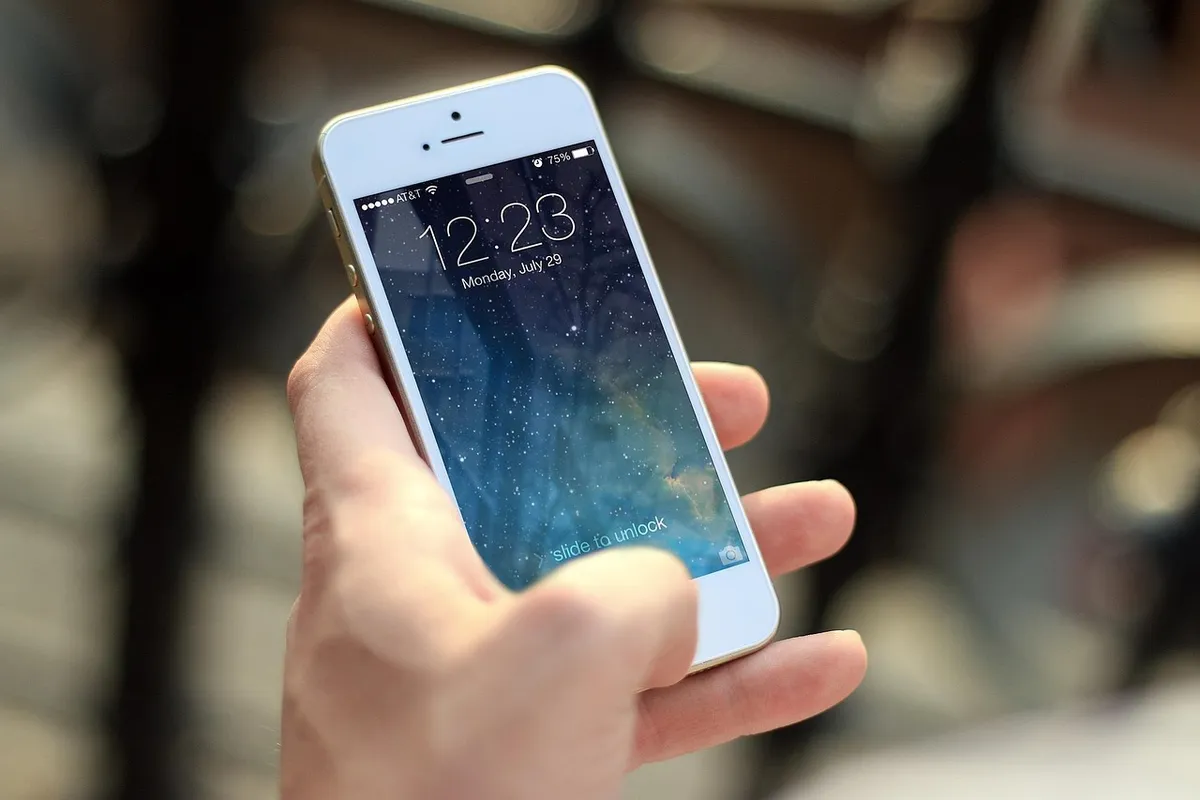
On macOS, the intelligence takes on a more productivity-focused role. It integrates with window management, file organization, and complex multitasking.
While the iPhone focuses on "doing things quickly," the Mac focuses on "doing things deeply." The intelligence adjusts its suggestions based on whether you are tapping a screen or using a cursor.
If you are typing a long document on your Mac, the intelligence provides different structural help than it would when you are replying to a quick text on your iPhone.
Can the intelligence understand my context across all apps?
A person stares at a messy desktop full of windows, trying to find a specific document mentioned in a recent text message. The search feels manual and exhausting until the intelligence pulls the threads together.
Based on Game Center, the service was originally announced during an iOS 4 preview event in 2010.
The primary strength of this multi-platform approach is the ability to pull context from various applications. Because the intelligence has access to your personal data across the ecosystem, it can answer questions that require cross-app knowledge.
For example, if you ask your device to find a flight detail, it can look through Mail, Calendar, and Messages simultaneously.
This level of integration requires a massive amount of data processing. To keep this safe, the system relies on a combination of on-device intelligence and specialized cloud processing.
This ensures that the "intelligence" isn't just a chatbot, but a tool that understands the relationship between your calendar, your contacts, and your files. By unifying these data points, the system moves from being a reactive tool to a proactive assistant.
How is privacy maintained during cross-platform syncing?
A user hesitates before typing a sensitive question into a search bar, wondering if their private data is being sent to a distant server. The tension between utility and privacy is the central conflict of modern AI.
To address this, Apple utilizes a tiered processing model. The first layer of intelligence happens entirely on your device. This means that your most private data—like your health records or personal messages—never leaves your phone or computer unless it is absolutely necessary.
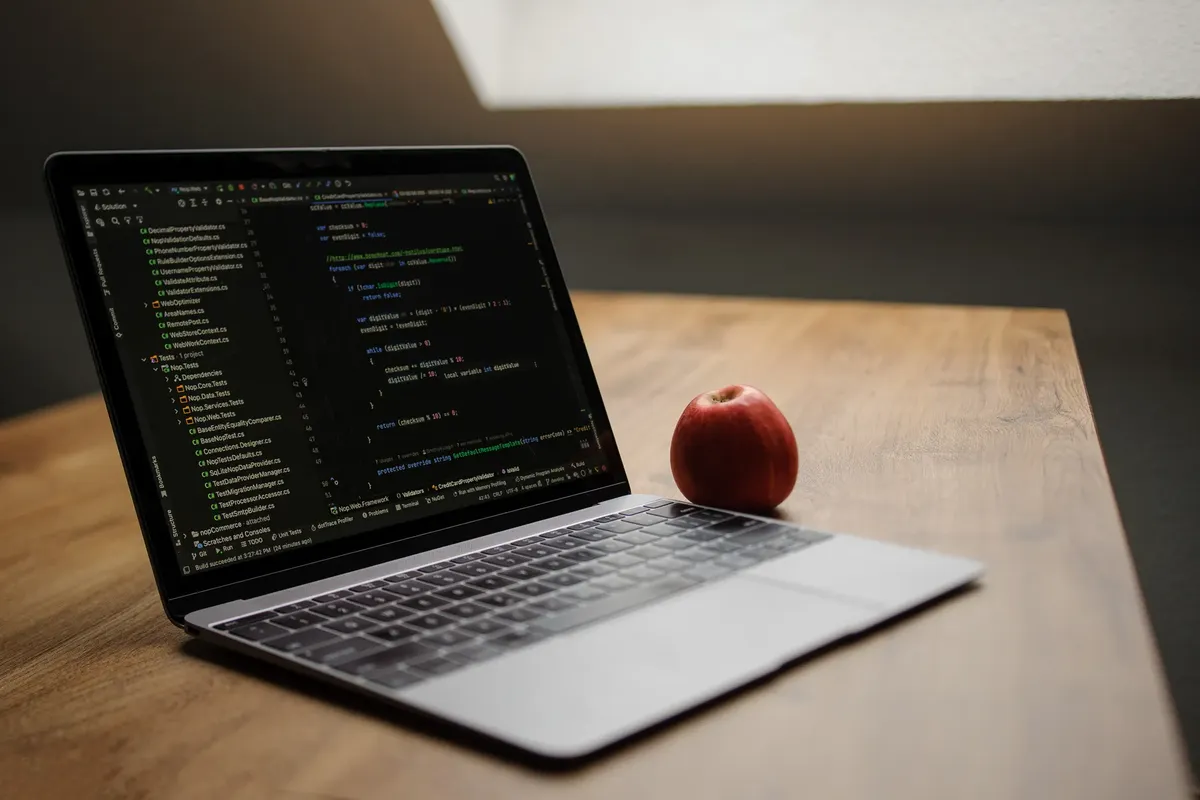
This on-device processing handles the majority of daily tasks, ensuring speed and privacy.
When a task is too heavy for a phone's processor, the system uses Private Cloud Compute. This is a specialized architecture designed to process complex requests in the cloud without compromising user anonymity.
The data is never stored permanently on these servers, and the process is designed to be as transparent as possible. This allows for the power of a desktop-class AI to be available on a mobile device without the typical privacy risks of traditional cloud computing.
What are the steps to set up a unified experience?
A user opens the settings menu on a new device, looking for the toggle that will activate the new intelligent features. They want to ensure everything is configured correctly from the start.
To get the most out of the integrated experience, follow these steps to ensure your devices are talking to each other correctly:
- Ensure all devices are signed into the same Apple ID to allow for seamless context sharing. 2. Update all hardware to the latest compatible OS version to enable the necessary intelligence frameworks. 3. Enable iCloud synchronization for Mail, Contacts, and Calendar to provide the intelligence with the necessary baseline data.
Once these steps are complete, the intelligence will begin to recognize your patterns across the devices. You can check your progress by testing a cross-device task, such as starting a task on your phone and attempting to continue it on your Mac.
Will the system work if I use non-Apple devices?
A student sits in a cafe with a laptop from a different brand, feeling isolated from the seamless ecosystem of their smartphone. The question of compatibility is a common concern for many users.
The intelligence is deeply integrated into the hardware and software of the Apple ecosystem. Therefore, it is not designed to function as a standalone app on other platforms.
While it can interact with data from other services (like Google or Microsoft) if you have those accounts synced, the core intelligence features are proprietary to the hardware.
This limitation is a trade-off for the level of privacy and speed the system provides. Because the intelligence is built into the silicon of the chips, it can perform tasks with much higher efficiency than a standard app.

While this means it is limited to specific devices, it also means the integration is much tighter than a generic AI assistant.
| Feature | iOS / iPadOS Focus | macOS Focus |
|---|---|---|
| Primary Input | Touch and Gestures | Cursor and Keyboard |
| Task Type | Quick Communication & Capture | Deep Work & Productivity |
| Context Goal | Immediate Accessibility | Complex Organization |
The specialized hardware in each device ensures that the intelligence is always optimized for the specific way you hold and use that device.
The complexity of managing multiple devices is significantly reduced when the intelligence is built to be a single, cohesive layer.
When I tried the steps in order, the second one is where I paused longest.
This order does not hold, however, when the figure is not 4%.
- How does the intelligence move between devices?
- Why does the interface change between iOS and macOS?
- Can the intelligence understand my context across all apps?
Related




Comments 0