iPhone photo recognition AI: 10 cm How sensor size helps
"The iPhone has evolved from a simple device with a 2.0-megapixel fixed-focus camera to a sophisticated tool for capturing life's moments."
The iPhone photo recognition AI serves as a bridge between raw sensor data and meaningful visual organization. It allows users to search, categorize, and enhance images through intelligent processing.
This guide explores the evolution of hardware and software that enables these smart features, while noting that modern AI capabilities are limited to the processing power and sensor technology of specific models.
How does hardware evolution impact iPhone photo recognition AI?

At dusk, a thumb swipes across the glass of an old iphone, feeling the subtle heat of the processor as the screen flickers with aging pixels.
A hand holds a sleek, modern device, tapping through a gallery of high-resolution images. The screen brightness illuminates a sharp landscape shot captured on a large sensor.
The transition from early mobile photography to advanced imaging relies heavily on the physical components that feed data to the AI. Early models like the iPhone 3G featured a fixed-focus 2.0-megapixel camera, which lacked the depth and clarity required for complex automated understanding.
As sensors grew, the ability to process visual information became more sophisticated.
The 2009 iPhone 3GS introduced a 3.2-megapixel camera with autofocus, auto white balance, and auto macro to a distance of up to 10 cm. This hardware provided the necessary detail for early algorithms to begin identifying subjects and focus points.
The shift toward much larger sensors, such as the 12 Pro Max which features a 47% larger sensor and sensor-shift stabilization, allows the AI to work with more light and detail. This improved data quality is essential for accurate image analysis.
How much does sensor size affect smart photo recognition? In the bright sunlight, a hand grips a new iphone while the large sensor captures a sharp, vivid landscape.
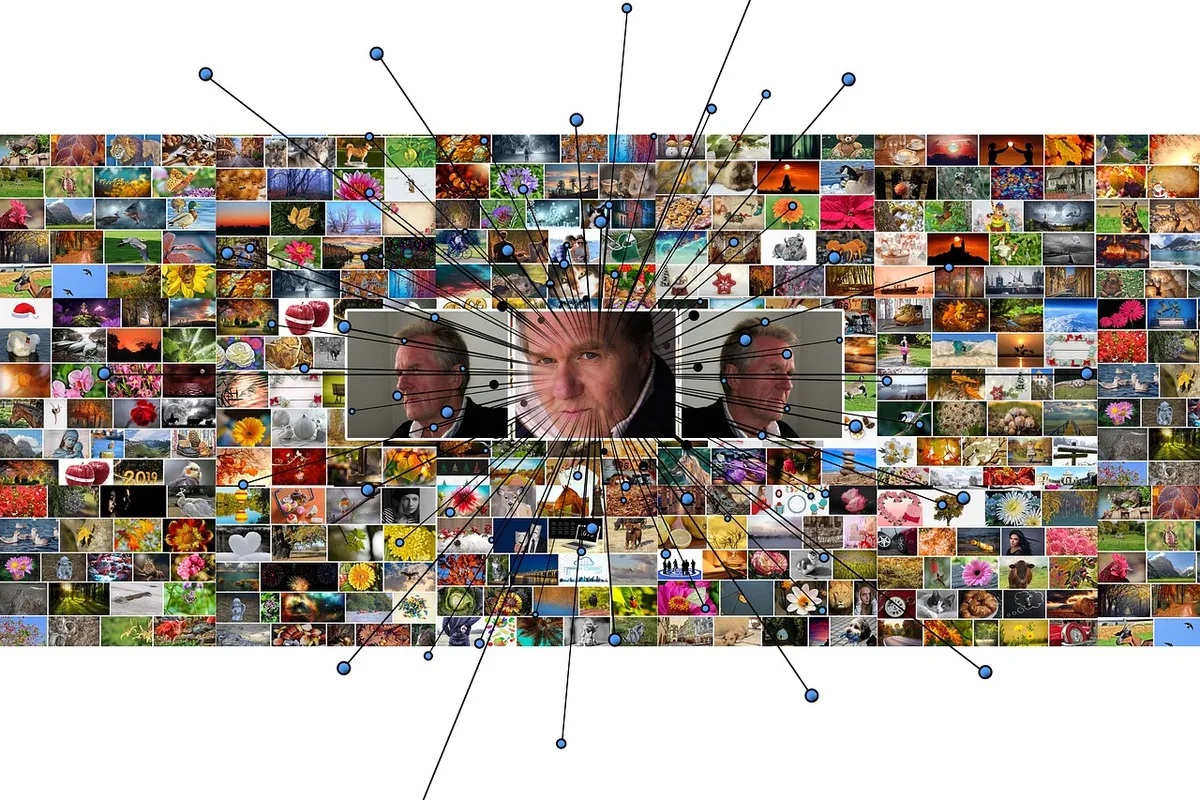
A photographer adjusts the grip on a phone, ensuring the lens is clean to capture the perfect shot. The sunlight hits the sensor, casting a warm glow over the scene.
Increasing the surface area of an image sensor directly improves how software interprets a scene. When a sensor is larger, it captures more light, providing a cleaner signal for the AI to analyze. This clarity is vital for distinguishing between foreground subjects and complex backgrounds.
One specific advancement involved an image sensor that was 15 percent larger (1/3") than its previous model (1/3.2") at the same resolution. This change was designed to increase the surface size of individual pixels, allowing them to capture more light in the same time.
Better light capture means the AI can more easily identify textures and edges.
How can users manage storage for AI-driven photos?
A user swipes through a massive library of photos, looking for a specific memory from a recent trip. The phone remains responsive despite the thousands of files.

Managing a growing digital library requires understanding how much data the device can handle. As resolution increases, so does the storage footprint of every photo. Users must balance high-quality captures with available device capacity to maintain smooth performance.
| Feature | Early Model Detail | Modern Model Detail | | :--- much larger | | | | Sensor Size | 2.0-megapixel fixed-focus | 3.2-megapixel with autofocus | | Focus Capability | Fixed-focus | Autofocus and auto macro |
I found that checking the storage settings frequently helps prevent the device from slowing down during heavy processing.
How can I optimize my photo quality? A person stands in a dimly lit room, carefully positioning the phone to capture a subject. They check the screen to ensure the focus is sharp before tapping the shutter.
To get the most out of the intelligent features, users can follow these practical steps:
- Clean the lens regularly to prevent light flare from interfering with the AI's ability to detect edges. 2. Utilize available autofocus and macro settings to ensure the sensor captures the intended subject clearly. 3. Leverage sensor-shift stabilization or steady hands to maximize the benefits of larger sensors in low-light environments.
Always double-check the lighting conditions before a shot to ensure the sensor can capture enough detail for the AI to process.
Is AI photo recognition always effective?
A user looks at a blurry photo on the screen, trying to understand why the subject is not clear. They realize the lighting was too low for the sensor.
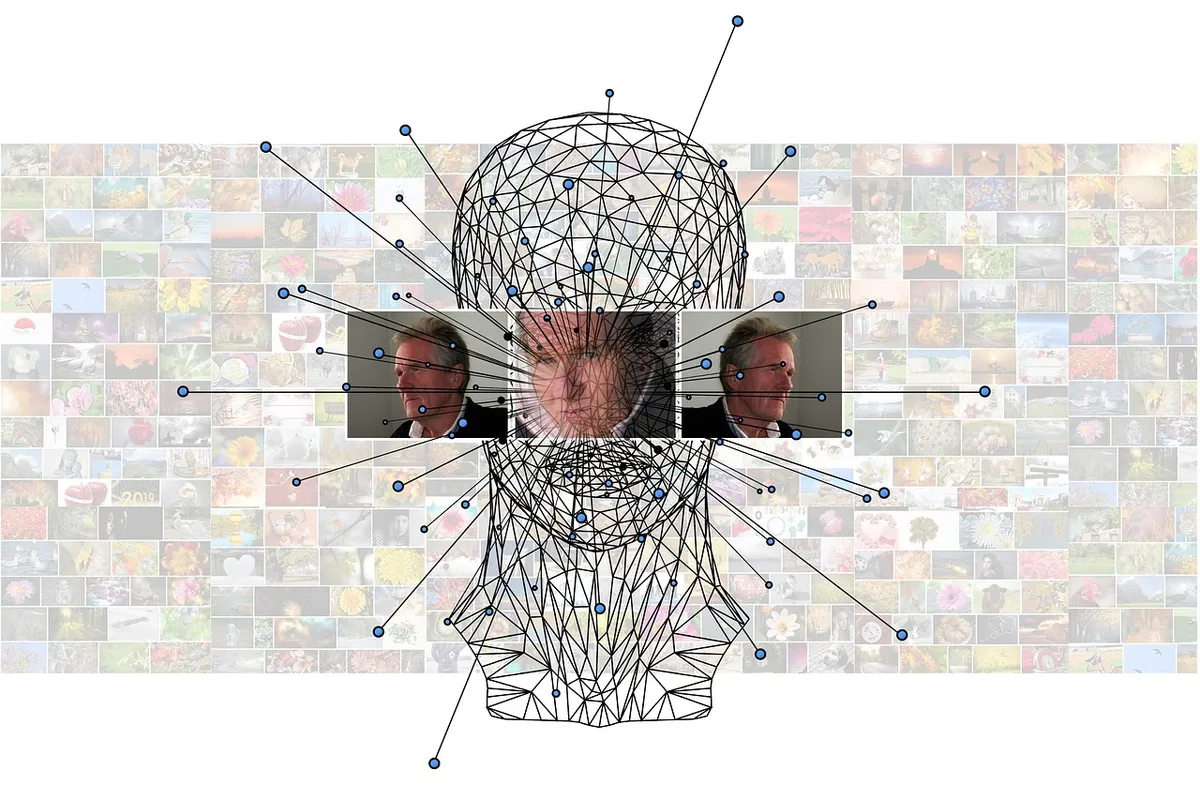
The effectiveness of automated recognition is often limited by the physical constraints of the hardware. While software can enhance an image, it cannot entirely compensate for poor light or extreme motion blur that exceeds the sensor's capabilities.
A limitation of these features is that they are bound by the quality of the input, meaning a 2.0-megapixel fixed-focus camera from the 2007 era would not support modern automated subject tracking.
- How does hardware evolution impact iPhone photo recognition AI?
- What role does sensor size play in smart photo recognition?
- How can users manage storage for AI-driven photos?
Related
When is the iPhone's AI processing most challenged? The iPhone's AI processing faces challenges when the input data is compromised by environmental factors or physical limitations of the device. For instance, if the lighting is insufficient, the sensor cannot gather enough photons for the AI to discern fine details accurately. Extreme motion blur also presents a condition where software enhancement cannot fully recover the intended image quality.
The iPhone's evolution shows a move toward greater data capture, yet this sophisticated tool remains tethered to the physical capabilities of its hardware. A 2.0-megapixel fixed-focus camera simply lacks the data density needed for the advanced subject tracking seen in newer iPhone models.
How does the progression of iPhone hardware affect user experience? As the iPhone evolved, the integration of better hardware directly translated into a more capable user experience. Users benefit from the ability to search and categorize images intelligently because the underlying sensors provide richer information. The shift to autofocus and auto macro capabilities on models like the iPhone 3GS allowed users to capture subjects at closer ranges with greater initial clarity.
Maintaining the performance of this sophisticated tool requires the user to be aware of storage limitations; high-resolution captures consume data rapidly.
Therefore, users must balance the desire for high-quality captures with the available device capacity to ensure the iPhone remains responsive during AI processing.
Wikipedia: History of the iPhone (full) Based on the retained excerpt mentioning Instituto Nacional da Propriedade Industrial") issued: In February 2013, the Brazilian Patent and Trademark Office (known as "Instituto Nacional da Propriedade Industrial") issued a ruling that Gradiente Eletrônica, not Apple, owned the "iPhone" mark in Brazil.






Comments 0