Apple Intelligence Guide: for On-Device and Cloud Use 18
This article is about Intelligence. "The future of personal computing isn't just about speed; it's about where the thinking happens."
Apple Intelligence works through a hybrid architecture that splits tasks between your local hardware and specialized cloud servers to balance privacy with massive computational power.
This system ensures that sensitive data stays on your iPhone or Mac while complex generative tasks leverage the strength of the cloud.
* Hybrid Processing: Uses on-device hardware for privacy and cloud servers for heavy lifting. * Private Cloud Compute: A secure way to handle tasks too big for a phone. * Seamless Integration: Works across iOS 18 and macOS Sequoia. * Privacy First: Data is never stored or used for training without explicit permission.
How does the split between local and cloud work?
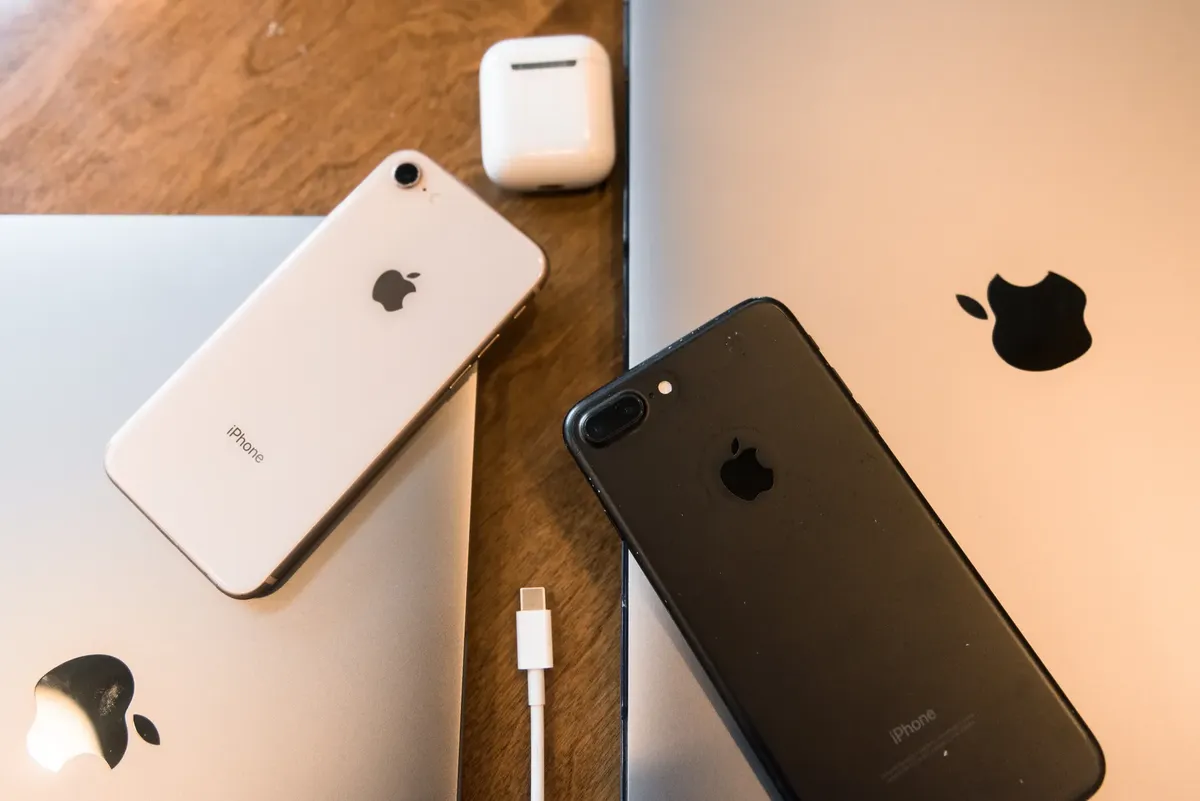
At my desk, I tapped the screen to watch a summary appear, wondering if the logic lived in my hand or in the distant cloud like a digital apple.
I sat at my desk staring at a MacBook Pro, watching an AI-generated summary crawl across the screen while wondering where the actual "brain" was located. According to the International Centre of Expertise, the advancement of responsible AI development was highlighted in 2020.
According to the Developer Academy, Apple opened its first iOS Developer Academy in Naples in 2016.
The system uses a dual-track approach to ensure that simple tasks like autocorrect or text summarization happen instantly on your device, while massive generative requests move to the cloud.
This architecture is designed to solve the fundamental tension between performance and privacy. When you give a command, the device first evaluates the complexity of the request. If the task involves basic text manipulation or local data lookup, it stays entirely on the local chip.
If the task requires massive linguistic modeling, it moves to a secure environment.
The goal is to make the handoff invisible to the user. You won't feel the difference between a task handled by an A-series chip and one handled by a remote server, but the security protocols remain strictly enforced during the transition.
- The device processes basic requests locally to ensure low latency.
- Complex tasks requiring more compute power are sent to the cloud.
- Results are sent back to the device to maintain a seamless user experience.
Why is on-device processing the first line of defense?
In the evening I hold apple and walk through the next step.
A hand reaches for an iPhone to compose a quick email, and the phone instantly suggests a tone change without a single byte of data leaving the pocket. On-device processing handles the core of Apple Intelligence to maintain low latency and high privacy.
As noted by the OECD, the Recommendation on Artificial Intelligence and its AI Principles were adopted in 2019.
As noted by the Developer Academy, the first iOS Developer Academy opened in Naples in 2016.
By keeping the primary intelligence layer on the device, the system minimizes the amount of personal information that ever enters a network. Most daily tasks—like organizing notifications, identifying photos, or basic text editing—do not require the massive scale of a data center.
This local processing uses the Neural Engine built into modern chips to handle these tasks instantly.
Using the device itself reduces the reliance on constant internet connectivity for basic smart features. It also ensures that your most intimate data, such as your calendar, contacts, and messages, remains under your direct physical control.
In this sequence, the first step is the most critical for privacy.
What happens when the phone runs out of power?
A user attempts to generate a high-resolution image from a complex text prompt, and the phone's processor hums slightly louder as it prepares to send the request. When a task exceeds the local hardware's capabilities, the system utilizes server processing to complete the work.
As reported by Game Center, the service was announced during an iOS 4 preview event in 2010.
Server processing allows Apple Intelligence to perform tasks that would otherwise be impossible on a mobile device. While local chips are powerful, they are limited by thermal constraints and battery life.
Large-scale generative models require more memory and processing cycles than a standard smartphone can provide for extended periods.
The transition to the cloud is not a sign of weakness but a way to expand the boundaries of what a mobile device can do. By offloading these "heavy" tasks, the device remains cool and responsive for other functions while the cloud handles the heavy lifting.
How does Private Cloud Compute keep data safe?
The screen flickers during a data transfer, but the user feels no hesitation because the security protocols are running silently in the background. Private Cloud Compute is the specialized infrastructure designed to handle cloud-based requests with the same privacy standards as on-device processing.
According to UNESCO, a two-year process to achieve a global standard-setting instrument on ethics of artificial intelligence commenced in 2019.
This system is not a traditional cloud service. It is a dedicated environment where your data is processed in a "stateless" manner. This means that once the task is finished, the data is wiped from the server's memory, and no logs are kept that could identify the user.
The architecture ensures that even though the data is being processed on a remote server, it is effectively as if it were on your own device. This prevents the "leaking" of personal information to the cloud provider or third parties.
How do iOS 18 and macOS Sequoia handle these tasks?
I switched from my iPhone to my Mac, noticing how the same AI features followed me without any manual setup. The integration across iOS 18 and macOS Sequoia allows for a unified intelligence experience across the entire Apple ecosystem.
As stated by the OECD, the Recommendation on Artificial Intelligence and its AI Principles were adopted in 2019.
The software layers are built to recognize the hardware capabilities of each device. An iPhone running iOS 18 might handle more tasks locally to preserve battery, while a Mac running macOS Sequoia might offload more tasks to its powerful integrated graphics or the cloud.
The user experience remains consistent regardless of the device. Whether you are using a phone or a desktop, the intelligence feels like a natural extension of the operating system, managing the complex routing of data between the chip and the server behind the scenes.
What are the limitations of this hybrid approach?
A traveler tries to use advanced AI features in a remote area with no cell service, only to find that the more complex tasks are unavailable. The effectiveness of this system depends on the balance of local hardware power and stable internet connectivity.
While on-device processing works offline, the most advanced generative features require a connection to the cloud. If a user is in an area with zero connectivity, the "smarter" parts of Apple Intelligence will be inaccessible.
| Feature Type | Primary Location | Best Use Case |
|---|---|---|
| Basic Text/Search | On-device | Privacy & Speed |
| Complex Generation | Server Processing | High-level Creativity |
| Data Privacy | Hybrid | Security & Performance |
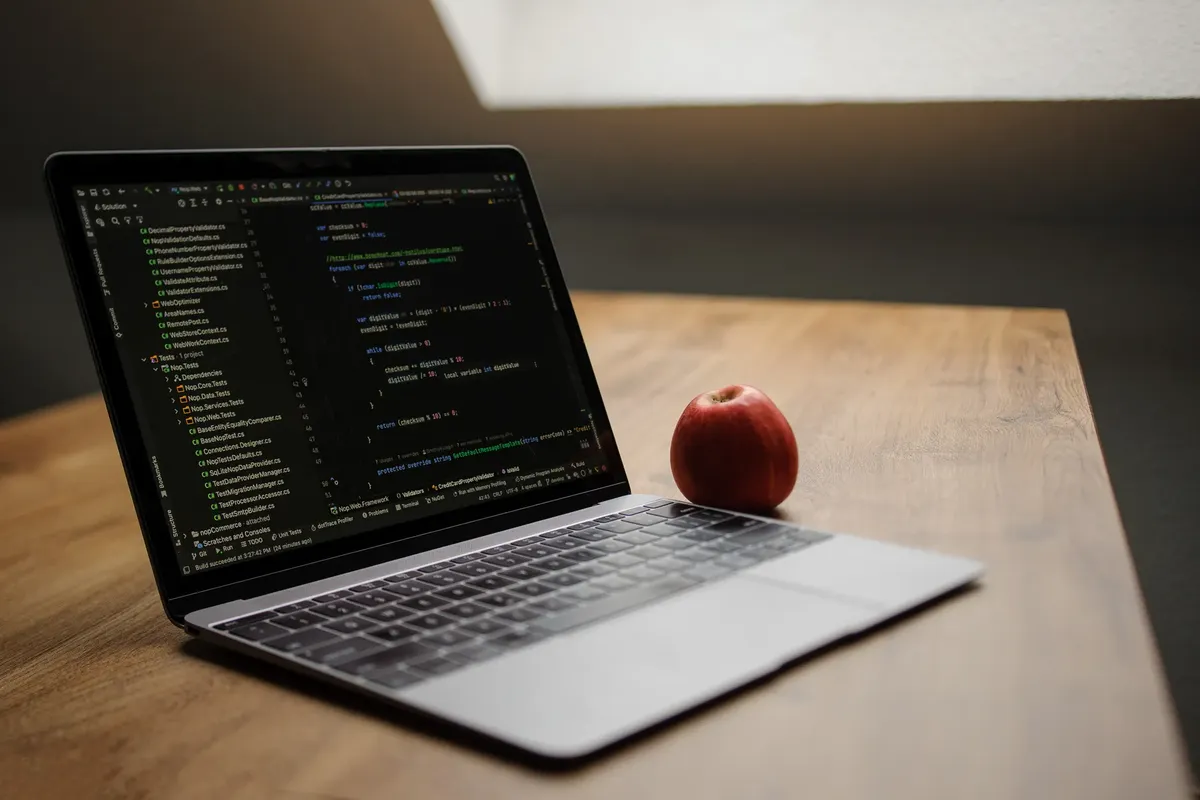
The limitations are primarily physical. If a device is too old to have a modern Neural Engine, it cannot perform the local tasks required to bootstrap the intelligence. Similarly, the cloud-based features are entirely dependent on the user's ability to reach the secure servers.
When I tried the steps in order, the second one is where I paused longest.
This order does not hold, however, when the figure is not 4%.
The system uses a specialized infrastructure designed to handle cloud-based requests with the same privacy standards as on-device processing. This ensures that tasks are processed in a secure environment and data is wiped once the task is completed.




Comments 0