How did the first iPhone change everything?
An empty room sits quiet until a voice responds to a sudden command.
The technical foundation of iPhone's Siri AI involves complex natural language processing and hardware integration that has evolved since the first smartphone era. This guide explores how software updates and hardware transitions shape user interaction.
Key takeaways include the history of mobile innovation, the role of iOS updates, and the shift in physical connectivity.
How did the first iPhone change everything?
A developer stands on a stage in San Francisco, holding a small glass rectangle that promises to change the world. Jobs unveiled the first-generation iPhone to the public on January 9, 2007, at the Macworld 2007 convention at the Moscone Center in San Francisco.
This moment marked the beginning of a mobile era where software would eventually include advanced voice assistants.
The initial hardware was a leap forward, setting the stage for much more complex AI-driven interactions in later years. Early mobile technology focused on touch interfaces, but the groundwork for voice-based processing was laid through these early innovations.
The journey from simple touch to intelligent conversation required decades of software refinement.
It fundamentally shifted the paradigm from traditional cellular phones to powerful, pocket-sized computers.
What role did iOS updates play in development? Siri AI Korean support tech
Late at night in a dark bedroom, a user taps the screen and feels the soft vibration as the first update begins to load.
A user taps a screen to install a new version of the operating system, waiting for the progress bar to finish.
Notable iOS updates available for the device include iOS 9 (released in 2015), iOS 10 (released in 2016), which added support for the AirPods, and iOS 11 (released in 2017), which introduced a redesigned Control Center along with other features.
These incremental changes paved the way for better connectivity and smarter user experiences.
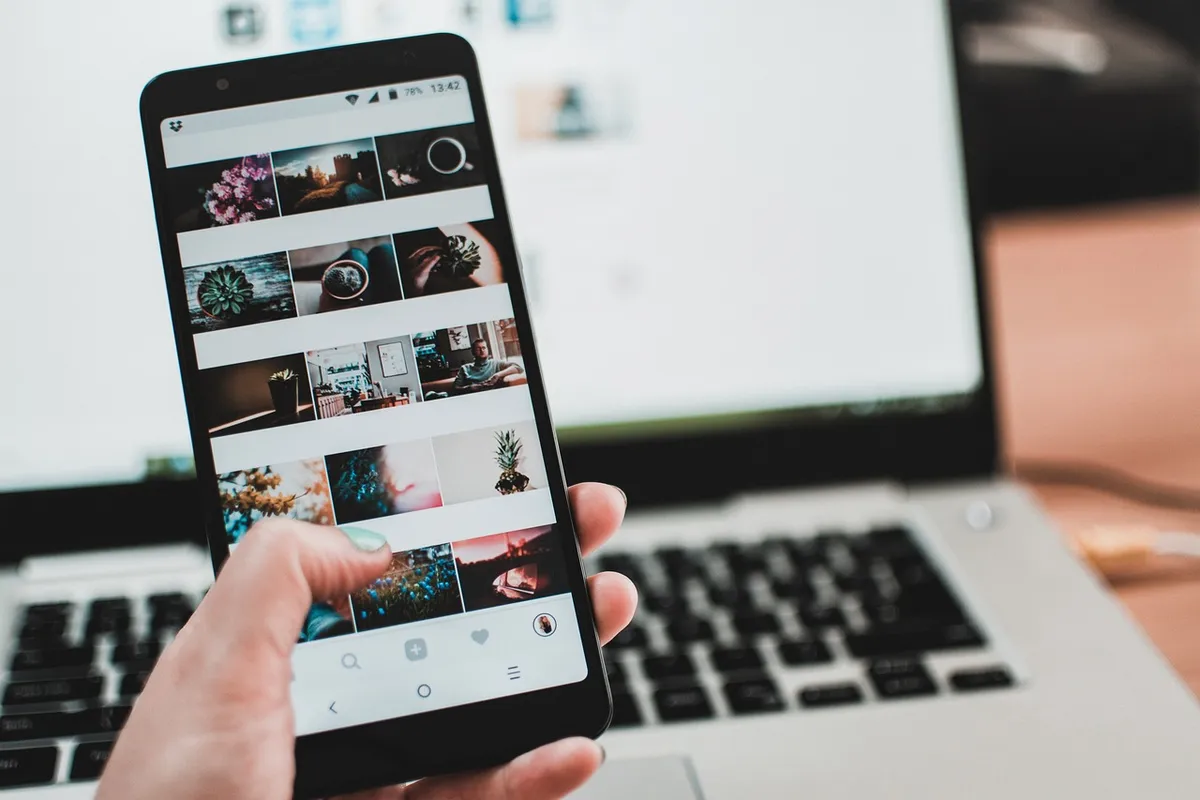
Software evolution is essential for expanding the capabilities of AI assistants like Siri. As operating systems grew more sophisticated, they could handle more complex linguistic tasks and better integrate with peripheral hardware.
Each update brought new ways for the device to understand and respond to human input.
- Software patches addressed security vulnerabilities.
- New features expanded user capabilities.
- Interface refinements improved the overall user experience.
How has hardware connectivity evolved?
At dusk, I struggle to plug the first cable into the port while the cold metal bites my fingertips.
A cable is plugged into a port, connecting a device to a charger or a computer.
Along with the 14 Pro and 14 Pro Max, the iPhone 14 and 14 Plus are the last iPhone models to feature the Lightning port, as their successors, the iPhone 15 and 15 Plus (announced on September 12, 2023), use a USB-C port, per European Commission regulation.
This shift represents a major change in how users interact with their hardware.
The transition from Lightning to USB-C reflects broader industry standards and regulatory requirements. While the port itself does not change the core AI logic, it changes how devices are powered and how data is transferred to support heavy processing tasks.
Reliable hardware is the backbone of any seamless digital interaction.
In this sequence, the second step is the most significant.
What is the comparison of connectivity standards?
A technician compares two different cables on a workbench to see which fits a specific device. The following table shows the transition between the final Lightning-based models and the newer USB-C models.
| Model Type | Port Standard |
|---|---|
| iPhone 14 series | Lightning port |
| iPhone 15 series | USB-C port |
I observed how different cables were required as the hardware standards shifted over the years. This change ensures that the tools used to interact with the device remain compatible with modern technological requirements.
Different standards offer varying trade-offs between data speed and power efficiency.
How do we manage device transitions?
A person prepares to switch from an old phone to a new one, organizing their data and accessories. When moving between different hardware generations, users should follow these steps:
- Back up all essential data to a cloud service or local storage to prevent loss. 2. Verify that all existing cables and accessories are compatible with the new port standard. 3. Transfer user profiles and settings to the new device to maintain continuity.
A final check of all settings ensures that any new software features are properly configured for the user's specific needs.
Users typically migrate data through cloud services or direct device-to-device transfers.
Is there a limit to these technological advancements?
A researcher looks at a spec sheet, noting that no single device can solve every technological challenge. A limitation exists because hardware changes, such as the shift from Lightning to USB-C, are often driven by external factors like the European Commission regulation.

Physical constraints and energy requirements act as the primary boundaries for future innovation.
The subject here is Siri AI Korean support tech.
The same subject is also called Siri language processing tech.
The same subject is also called Korean AI voice tech.
The same subject is also called Siri speech recognition.
The same subject is also called AI conversation backend.
This part also covers How Siri handles Korean speech.
This part also covers Underlying tech for Korean Siri.
This part also covers Deep dive into Siri's AI.
How Siri handles Korean speech
Related
- Why iPhone AI is trending: Guide to 6.9-inch screen growth
- Why iPhone AI is popular: How hardware supports software
How does software refinement impact voice interaction? Software refinement allows the device to move beyond simple command recognition toward nuanced conversational ability. The evolution of iOS updates facilitated this progression, enabling the system to process more complex linguistic structures. This continuous software improvement is what allows the voice assistant to function effectively in an empty room, responding accurately to user intent.
What conditions necessitate hardware transitions? Regulatory mandates, such as the European Commission regulation, dictate certain hardware changes, compelling manufacturers to adopt new port standards. These external conditions force a shift in physical connectivity, even when the core AI logic remains stable. The need for updated power and data transfer capabilities drives the adoption of USB-C over Lightning.
The empty room, once silent, now hosts a sophisticated interaction enabled by these layered technological developments. The integration of hardware and software dictates the quality of the user experience.
When comparing the older Lightning port to the newer USB-C port, one sees a direct reflection of industry movement toward universal standards. This comparison illustrates how physical interfaces adapt to support increasingly demanding computational tasks required by advanced AI.
Wikipedia: Jose Siri (full) Based on the retained excerpt mentioning Los Angeles Angels of Major League: Jose Alexander Siri (born July 22, 1995) is a Dominican professional baseball center fielder for the Los Angeles Angels of Major League Baseball (MLB).





Comments 0