Siri AI app integration guide to managing digital tasks
"The future of digital interaction lies in the seamless transition between a single command and a complex chain of actions across multiple platforms."
Siri AI app integration allows users to bridge the gap between disparate software tools through voice and intelligent processing.
This technology enables a single user request to trigger multi-step workflows, managing everything from calendar scheduling to smart home adjustments within a unified interface.
Key takeaways include the shift toward agentic autonomy, the necessity of high computing power for complex tasks, and the growing focus on systemic risks in automated environments.
How does Siri AI app integration work?

At the cluttered desk, I tap the glowing screen as siri pulls data from one app into another with a soft chime.
A user sits at a desk, tapping a smartphone to initiate a sequence that pulls data from a messaging app and places it into a calendar. This interaction demonstrates how the system interprets natural language to navigate through various software environments without manual navigation.
Siri AI app integration functions by translating natural language into specific API calls that different applications can understand. When a user provides a command, the system identifies the intent and selects the appropriate app to execute the task.
This process allows for a smooth transition between different software environments, effectively creating a unified user experience.
The underlying architecture relies on understanding the context of a request to determine which app holds the necessary data or tools. By mapping user intent to specific application functions, the system can move information between platforms.
This capability transforms a simple device into a central hub for managing various digital tasks through a single entry point.
How can I start using Siri automation? As I walk into the dark living room, siri triggers the lights to flicker on with a sudden warmth.
A person walks through a quiet living room, speaking a brief phrase that dims the lights and starts a specific playlist simultaneously. This scenario illustrates how automation moves beyond simple queries into proactive task management.
Siri automation features allow users to set up triggers that execute specific sequences of actions based on time, location, or other device states. Instead of performing every step manually, the user establishes a set of rules that the system follows automatically.
This reduces the friction of repetitive tasks and allows the device to act as an active assistant. 1. Setting time-based triggers for morning routines. 2. Using location-based triggers to adjust settings upon arrival. 3. Creating complex logic chains involving multiple smart devices.

The complexity of these automated workflows requires significant processing capabilities. According to Nvidia CEO Jensen Huang, AI agents would require 100 times more computing power than LLMs.
As these automation features become more sophisticated, the demand for local and cloud-based processing power will continue to rise to maintain responsiveness and accuracy.
How does Siri app control actually work? A traveler at an airport glances at a phone, using a voice command to check flight status and then immediately sends a message to a contact. The seamless shift between information retrieval and communication defines the modern mobile experience.
A Siri app control guide involves understanding how to structure commands to achieve specific results across different software. Users can direct the system to search for information, create new entries, or modify existing data within specific apps.
This control is not limited to simple queries but extends to managing the state of various applications.
Effective control requires knowing which apps support specific deep-linking features. Some applications allow for much more granular control, such as playing specific parts of a song or sending a pre-written message.
Mastering these nuances allows users to perform complex tasks with minimal verbal input, turning the interface into a highly efficient tool for daily management.
Exploring Siri task automation
A user prepares for a meeting by asking the assistant to summarize recent messages and set a reminder for a follow-up. This single request handles multiple layers of information management through a unified command.
Siri task automation focuses on the execution of multi-step processes that involve different functional domains. This might include a workflow that checks the weather, suggests an outfit, and then sets a departure reminder.
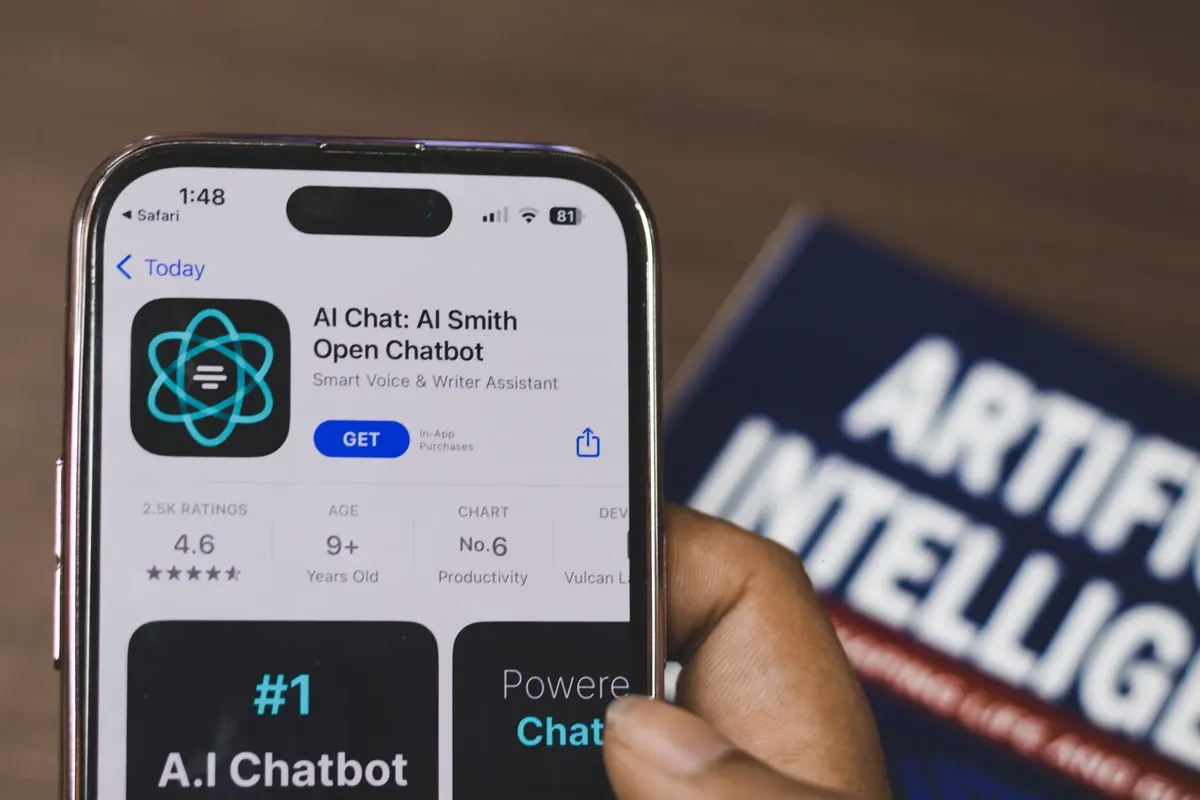
By chaining these tasks, the system handles the heavy lifting of routine planning.
The goal of task automation is to minimize the number of manual interactions required to complete a goal. By defining the end state, the user allows the system to navigate the necessary steps.
I found that setting up these sequences requires a clear understanding of how different apps interact to prevent errors in the automated chain.
Managing Siri cross app workflows
A professional finishes a call and immediately asks the assistant to log the meeting notes into a specific document. The data moves from the communication tool to the productivity tool without the user ever touching the screen.
Siri cross app workflows involve the movement of data and instructions between entirely different software ecosystems. For example, a command might pull a contact's address from a messaging app and use it to set a navigation route in a mapping application.
This interoperability is the cornerstone of a truly integrated digital life.
These workflows rely on the ability of the system to maintain context as it moves from one app to another. The system must remember the subject of the conversation or the identity of the person being discussed to ensure the data is sent to the correct destination.
This cross-platform intelligence is what makes the assistant feel like a cohesive entity rather than a collection of separate tools.
Is there a risk in Siri voice command automation?
A researcher looks at a screen displaying financial data, considering the implications of autonomous systems making real-time decisions. The intersection of automation and sensitive data raises questions about control and reliability.
Siri voice command automation brings convenience but also introduces new variables in how users interact with sensitive information. As commands become more complex and autonomous, the potential for unintended actions increases.
Users must remain aware of how much authority they grant to automated sequences.
The transition toward more autonomous agents introduces new considerations for digital security and reliability. In one 2025 forum, 44% of experts surveyed judged autonomous or agentic AI systems to be the most likely current source of AI‑related systemic risk in finance.
This highlights the importance of maintaining human oversight when automating tasks that involve critical data or financial transactions.
A limitation of these systems is that they are ultimately dependent on the level of integration provided by third-party app developers.
The same subject is also called Siri smart interface.
This part also covers How Siri automates tasks.
Related






Comments 0