iPhone AI photo recognition: Why hardware drives features
Since the original iPhone launch, technology has shifted from simple hardware to intelligent software. This analysis explores how AI-driven features transform how we interact with captured moments.
The primary impact of AI-driven photo features on the iPhone is the transition from manual sorting to automated discovery and organization. Users can now find specific memories through natural language searches, while intelligent algorithms handle lighting and composition adjustments automatically.

Key takeaways: * Automated organization through visual recognition. * Enhanced search capabilities using semantic understanding. * Shift from manual editing to intelligent, one-tap improvements.
How did the first iPhone set the stage for AI photo features?
A developer stares at a vintage device, tracing the edge of the glass that first brought a smartphone to the masses. The transition from simple digital capture to intelligent recognition began with the hardware capable of processing complex visual data.
The journey started when the first-generation iPhone was unveiled to the public on January 9, 2007, at the Macworld 2007 convention at the Moscone Center in San Francisco. This moment established the mobile platform that would eventually host sophisticated AI-driven visual processing.
Early software was limited to basic snapshots, but the foundation of mobile photography was laid. As processing power grew, the device moved beyond mere capture toward understanding the content within the frame.
How does AI photo features iPhone integration change daily use?
At a quiet desk, a user swipes through a glowing screen on their iphone, feeling the sudden ease of an automated gallery.
A user swipes through a gallery of thousands of photos, looking for a specific sunset from a summer vacation. Instead of scrolling indefinitely, they type a single word into the search bar to find the exact moment.
The integration of AI photo features into the iPhone ecosystem allows for seamless metadata generation. By analyzing pixels, the software identifies objects, faces, and locations without manual tagging. This automation turns a chaotic library into a searchable database.
The efficiency of AI photo features on the iPhone means users spend less time managing files and more time viewing them. This shift fundamentally changes the relationship between the user and their digital archive.
How is the impact of AI on mobile photos felt in search?
A person sits in a crowded cafe, tapping their screen to find a photo of a specific landmark. The phone instantly pulls up the high-resolution image from a trip taken years ago.
The impact of AI on mobile photos is most visible in the way search queries work. Rather than looking for filenames, users search for concepts like "dog" or "mountain." The software uses deep learning to bridge the gap between human language and visual data.
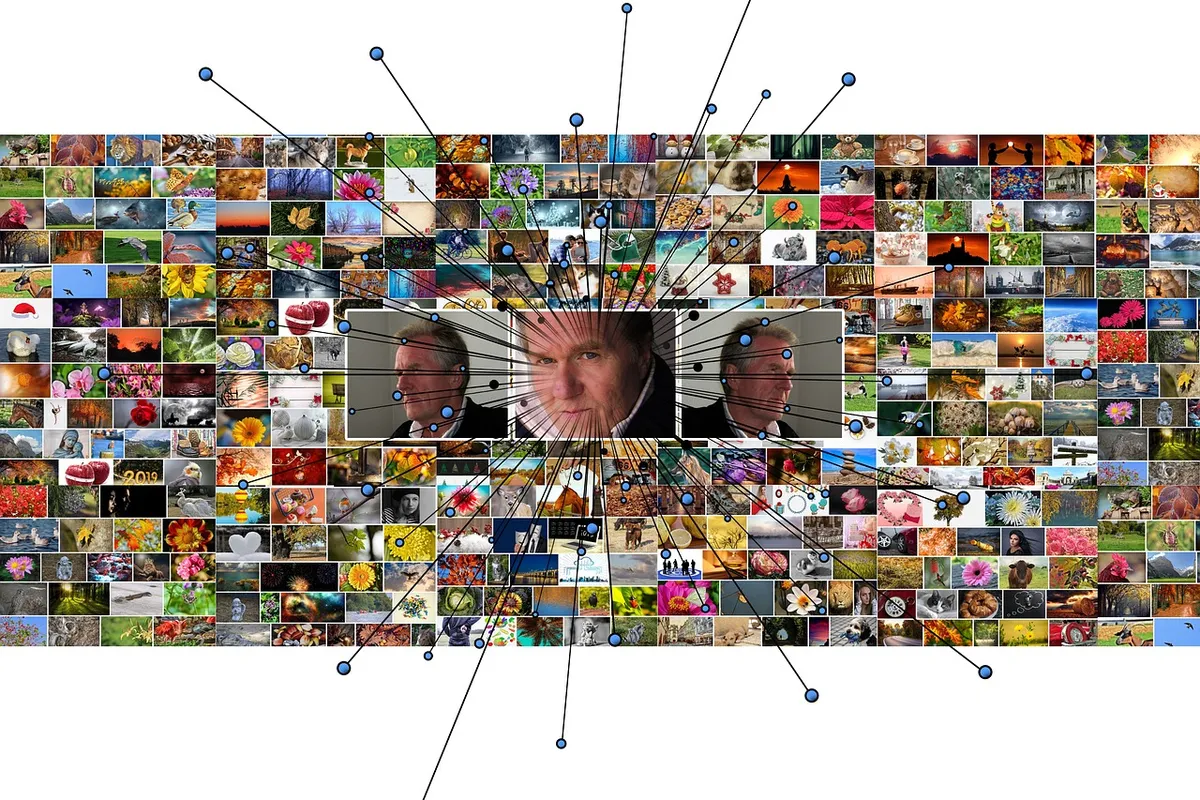
This capability ensures that valuable memories are never lost in a sea of data. The intelligence behind the screen acts as a digital librarian, constantly indexing the user's life.
What is the evolution of iPhone photo AI in terms of hardware?
An engineer examines the internal components of a modern smartphone, noting how much space is dedicated to neural processing. The hardware must keep pace with the increasingly complex algorithms required for real-time recognition.
The evolution of iPhone photo AI is deeply tied to the advancement of specialized silicon. As chips became more capable of handling machine learning tasks, the ability to perform real-time image enhancement and object recognition grew exponentially.
Early models relied on much simpler processing, but modern iterations use dedicated cores to handle massive amounts of visual data. This hardware-software synergy is what drives the current user experience.
How does AI photo recognition user feedback shape future updates?
A designer reviews feedback reports, noting how users react to automated editing suggestions. The goal is to find the perfect balance between helpful automation and creative control.
Analyzing AI photo recognition user feedback helps developers refine how much autonomy the device should have. While some users enjoy fully automated enhancements, others prefer subtle, intelligent assistance that preserves the original intent of the shot.
Refining these algorithms based on how people actually use their cameras ensures the technology remains intuitive. Constant iteration allows the software to adapt to changing photographic trends and user expectations.
What are the limitations of current AI photo recognition user feedback?
A researcher looks at a data set, noting where the software fails to identify complex or obscured objects. The limitations are often found in edge cases where lighting or angles defy standard recognition patterns.
AI photo recognition user feedback often highlights the struggle with highly unique or low-quality images. While the technology is robust, it can still misidentify objects or fail to recognize faces in difficult lighting conditions.

One limitation is that the software relies on training data, meaning it may struggle with subjects that fall outside its learned parameters. This creates a gap between perfect digital recognition and the messy reality of human photography.
- How did the first iPhone set the stage for AI photo features?
- How does AI photo features iPhone integration change daily use?
- How is the impact of AI on mobile photos felt in search?
iPhone AI photo recognition
The subject here is iPhone AI photo recognition.
The same subject is also called How AI changes photo use.
The same subject is also called iPhone photo recognition impact.
The same subject is also called User experience AI photos.
Related





Comments 0