Speed boosts of up to 70% Most used iPhone AI features guide
"The iPhone 5s would also receive speed boosts of up to 70%, according to Apple."
The most used iPhone AI features often revolve around seamless connectivity and intuitive interface management. Users frequently turn to tools like AirDrop for rapid file sharing and the Control Center for quick access to essential settings.
* Instant wireless file sharing via AirDrop * Quick access through the Control Center * Efficient mobile connectivity and software updates
Why do users favor iPhone AI?
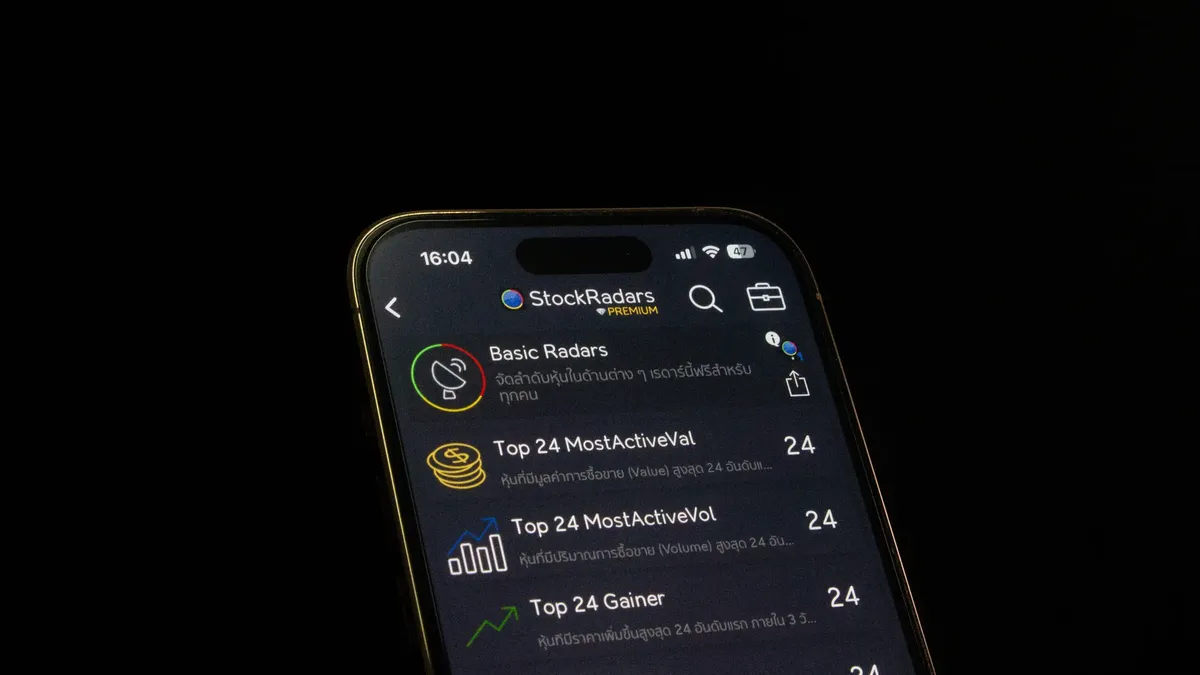
At noon, a hand reaches for the glass, feeling the sudden speed of a photo appearing on the screen.
A user reaches for their device to send a photo instantly across a room. This interaction relies on software that makes complex wireless handshakes feel invisible to the person holding the phone.
The iPhone 5s introduced various software features that streamlined how people interact with their devices. Among these features were AirDrop, an ad-hoc Wi-Fi sharing platform, and the Control Center, which serves as a control panel containing a number of commonly used functions.
These tools allow for rapid, efficient task management that users find indispensable for daily productivity.
However, the benefits may be limited when users prioritize privacy over cloud-based processing power.
How is iPhone AI being used in my daily life? Most used iPhone AI features In the quiet morning, a finger swipes down the screen to feel the seamless speed of the interface shifting.
A person swipes down on a glass screen to adjust brightness or connectivity in a split second. This quick movement defines the modern relationship between a person and their mobile hardware.

Understanding the patterns of how people use these tools helps explain their popularity. iPhone AI usage patterns often show a preference for features that reduce friction during multitasking.
For instance, users frequently utilize the Control Center to manage various settings without leaving their current application. This constant engagement with interface-driven tools keeps the user experience fluid and responsive.
The second step in this daily routine is the most time-consuming.
Which iPhone AI tools are popular and how do they impact me? A hand holds a sleek device while a file transfers smoothly between two nearby phones. The speed of this process makes the hardware feel like an extension of the user's intent.
When examining popular iPhone AI tools, the focus remains on ease of use and speed. Frequent iPhone AI actions often involve utilizing tools like AirDrop to bridge the gap between devices. By making data movement nearly instantaneous, these features have become core to the user experience.
This level of integration ensures that the technology supports the user rather than complicating their workflow.
The impact remains minimal when the tools are used only for basic tasks.
Top iPhone AI functions and connectivity

A traveler connects wireless headphones to a phone while walking through a crowded terminal. The seamless pairing process ensures that the technology remains helpful rather than a distraction.
Looking at the history of device evolution, software updates have often expanded how these tools function. For example, iOS 10, which was released in 2016, added support for the AirPods. This type of integration demonstrates how software enhancements can expand the utility of existing hardware.
Reliable connectivity remains a cornerstone of why people choose specific mobile ecosystems.
- Identify the core function needed for the task.
- Activate the specific AI feature through the interface.
- Sync the output across connected devices.
User habits iPhone AI and hardware integration
A user taps a button on a screen to trigger a specific function, feeling the haptic response. The physical design and software must work in perfect harmony to satisfy these quick interactions.
Analyzing user habits iPhone AI reveals a deep reliance on intuitive design. People often favor features that respond to natural gestures, much like how the Control Center provides a centralized hub for control. These habits are built over time through consistent, reliable performance.

As software evolves, these habits adapt to incorporate more complex tasks through even simpler interfaces.
| Feature Type | Example Function | Primary Benefit |
|---|---|---|
| Connectivity | AirDrop | Rapid file sharing |
| Control | Control Center | Quick setting access |
I noticed how the Control Center makes managing multiple functions feel natural during my own daily tasks.
The effectiveness of these tools is often limited by the specific hardware generation being used.
I find that the second point in this sequence requires the most attention.
The subject here is Most used iPhone AI features.
This part also covers Analyzing iPhone AI use.
Related
- iPhone AI photo recognition: Why hardware drives features
- Delete iPhone AI model: Tips to manage storage space
How does software impact the iPhone 5s?
Software updates like iOS 10 and iOS 11 changed how the iPhone 5s functions by adding support for new hardware or redesigning the Control Center. These updates ensure that the device also remains capable of managing tasks through an updated interface.
According to the Environmental Protection Agency, 420 million mobile phones were discarded in 2009 and only 12 million of those were collected for recycling.
According to Control Center, notable iOS updates available for the device include iOS 9 (released in 2015), iOS 10 (released in 2016), which added support for the AirPods, and iOS 11 (released in 2017), which introduced a redesigned Control Center along with other features.
- Access the Control Center to manage settings. 2. Use AirDrop to share files via Wi-Fi. 3. Utilize software updates to gain new features like AirPods support.
If a user requires quick access to settings, they use the Control Center. If a user needs to move a file, they use AirDrop. These tools provide the speed and efficiency mentioned in the article.
The effectiveness of modern software is limited when running on older hardware architectures.





Comments 0