iPhone photo recognition trend: Why best photo AI is popular
"The first-generation iPhone changed how we interact with mobile technology, setting a precedent for software and hardware integration."
The iPhone photo recognition trend has become a focal point for users seeking efficient organization within their digital libraries. This analysis explores why such advanced software features have become central to the mobile experience.
Key takeaways include the historical evolution of feature integration, the transition from hardware-centric to software-driven value, and the impact of connectivity tools on user engagement.
Why is the iPhone photo recognition trend so significant?
As evening fell over the quiet park, I swiped through a cluttered gallery on my iphone, feeling a sense of relief when the screen suddenly highlighted a lost memory.

A user scrolls through a massive gallery, searching for a specific moment captured years ago. The iPhone photo recognition trend highlights how software intelligence simplifies this digital clutter.
By categorizing images automatically, the device transforms a simple storage tool into an active assistant.
The shift toward intelligent sorting relies on the seamless integration of hardware and software. Early iterations of the device demonstrated this through features like Control Center, which provided a centralized panel for commonly used functions.
This ability to manage various tasks through a single interface paved the way for more complex automated processes.
The development of wireless connectivity, such as the AirDrop platform, also influenced how users interact with their visual data. Sharing high-quality images instantly became a core part of the mobile lifestyle.
This connectivity ensures that the data recognized by the software is easily accessible across different devices.
The shift toward automated identification marks a major turning point in mobile photography. However, the effectiveness of these algorithms can be limited in low-light environments.
How did early software features shape modern photo analysis?
A developer looks at a vintage device, noting how basic tools laid the groundwork for today's AI. The history of iPhone photo analysis shows that early feature sets were designed to manage user input efficiently. These foundational tools established the user habits that drive modern data processing.
Early software additions provided the structure needed for future intelligence. For instance, the iPhone 5s introduced tools like AirDrop, which served as an ad-hoc Wi-Fi sharing platform. These features taught users to rely on the device for immediate, organized access to their media.
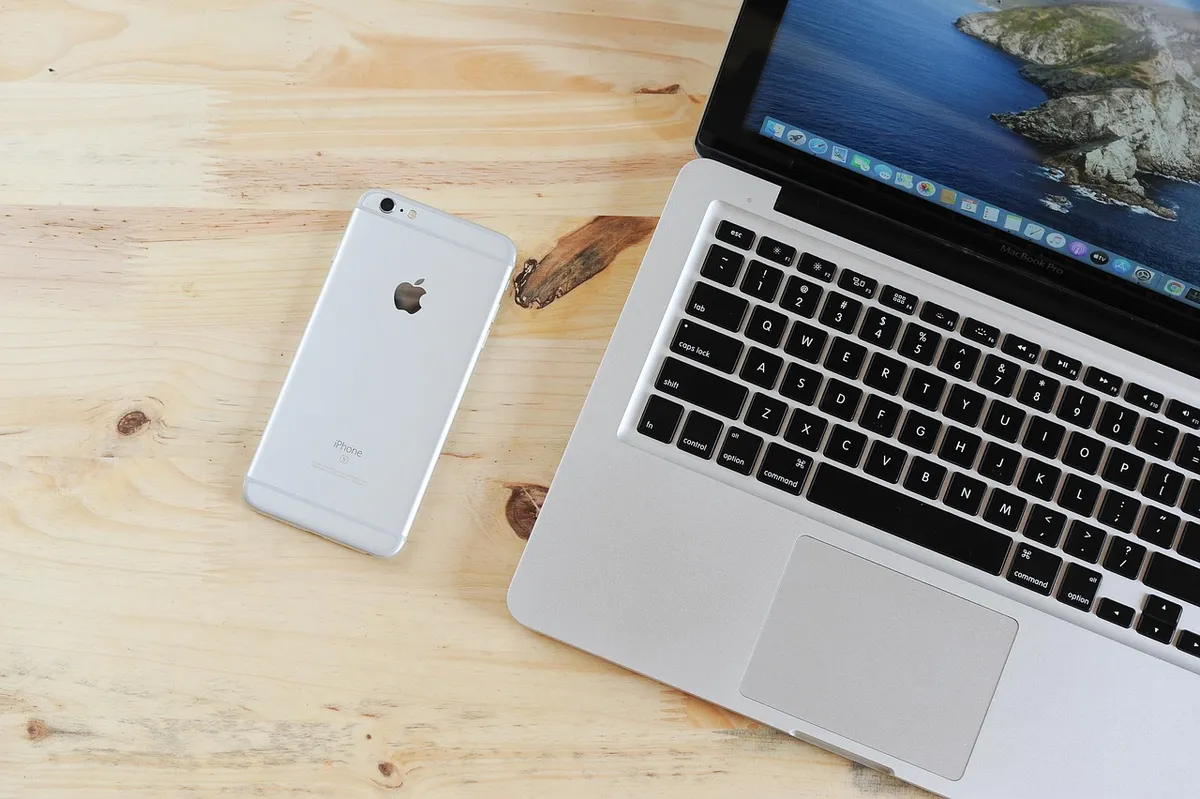
The evolution of these tools moved from simple utility to complex recognition. As processing power grew, the ability to manage data became more sophisticated. This transition allowed the device to move beyond simple storage toward the proactive organization seen in modern iterations.
Early iterations laid the groundwork for the sophisticated recognition we see today. I find that the second step in this evolution is the most critical.
What role does hardware play in iPhone photo AI?
An engineer examines the physical dimensions of a smartphone to understand its processing capabilities. While the iPhone photo AI is popular for its software, the underlying hardware provides the necessary power.
The relationship between physical components and processing speed is vital for real-world application.
The physical design of mobile devices has consistently supported increasing computational demands. For example, the iPhone 5s featured a 4-inch LCD multi-touch Retina display with a 640×1136 resolution.
This level of visual clarity was essential for users to interact with the increasingly detailed image recognition tools being developed.
Hardware improvements, such as the speed boosts of up to 70% seen in certain models, allowed for more intensive background tasks. These boosts ensured that tasks like facial recognition or object detection could occur without compromising the user experience.
The hardware provides the engine that drives the software's intelligence.
Dedicated chips provide the necessary processing power to handle complex visual data. This specialized hardware is not required for basic manual photo editing.
Why are advanced photo organization tools becoming essential?
A person stands in a crowded room, realizing they cannot find a specific photo among thousands. Advanced photo organization tools have become essential because the volume of digital media grows exponentially every year. Users require intelligent systems to navigate their own memories.

The need for these tools stems from the sheer quantity of data stored on modern devices. As cameras became more advanced, the number of images captured per user increased. Without automated sorting, managing a digital life would become an overwhelming manual task.
These tools provide a way to make sense of unstructured data. By using metadata and visual cues, the software can group related images or identify specific subjects. This capability turns a chaotic folder of files into a searchable, intuitive archive.
As libraries grow, automated sorting becomes a necessity for managing large volumes of data. This automation does not replace the need for manual curation.
How do these features impact the user experience?
A traveler captures a hundred photos in a single afternoon, only to find them lost in a digital sea. The impact of these features is measured by the time saved and the ease of access they provide. A streamlined experience keeps users engaged with their devices.
The integration of these tools into the daily routine creates a sense of effortless management. When a user can find a photo using a single keyword or a face, the device feels more like an extension of their memory. This emotional connection drives brand loyalty and regular usage.
The ease of use provided by these features allows users to focus on capturing moments rather than managing files. This shift in focus is a primary reason why advanced software remains a competitive advantage. The goal is to make the technology invisible so the user's experience remains seamless.
Seamless integration makes interacting with large galleries feel intuitive. The benefits may be less noticeable when users prefer manual organization over automated suggestions.
Comparison of Early Feature Sets
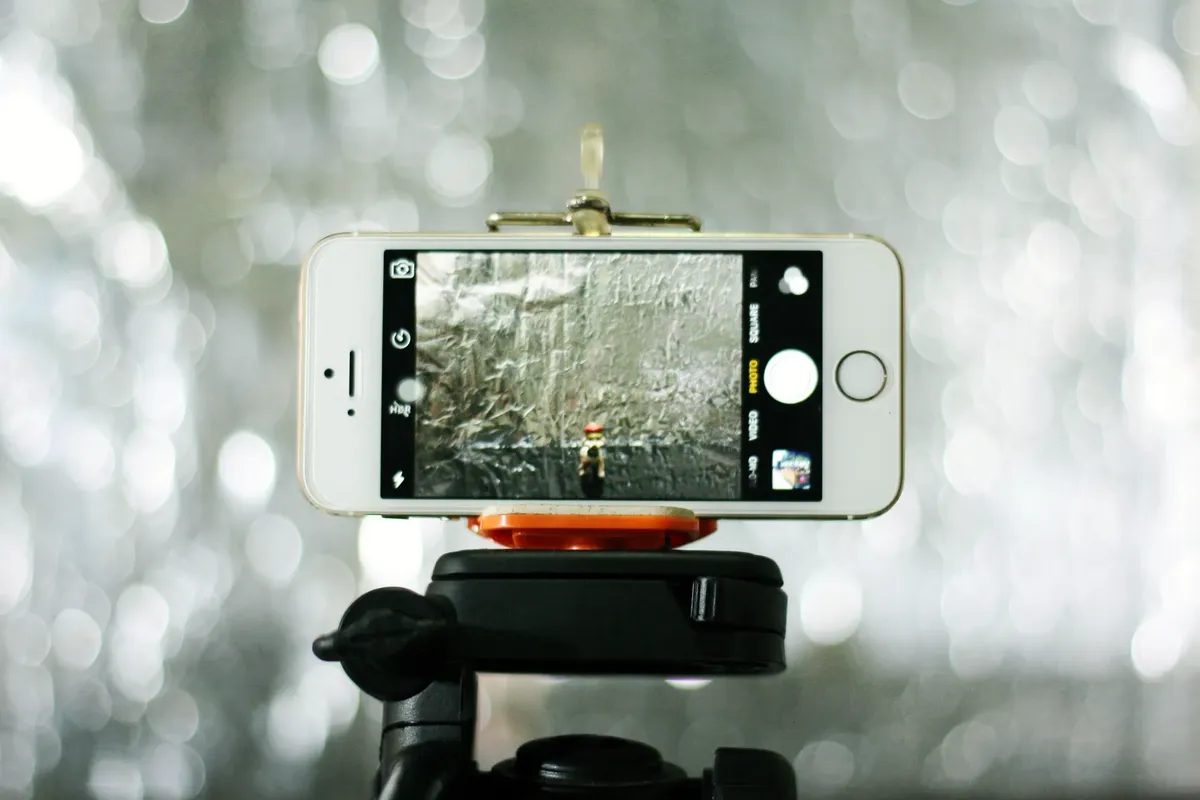
The following table compares the capabilities of different hardware generations to show how software utility evolved alongside physical changes.
| Feature Category | iPhone 5s Era | iPhone 14 Era |
|---|---|---|
| Display Type | 4-inch Retina | Large Format OLED |
| Connectivity | AirDrop / Wi-Fi | USB-C / Advanced Wireless |
I observed how the transition from smaller screens to much larger displays changed how people viewed their captured content.
The effectiveness of these technologies is limited by the specific hardware constraints of the era they were released in.
Comparing these eras highlights the rapid progression of computational photography. This comparison shows how much has changed since the early days.
- Why is the iPhone photo recognition trend so significant?
- How did early software features shape modern photo analysis?
- What role does hardware play in iPhone photo AI?
Related



Comments 0