Why iPhone AI is popular: How hardware supports software
A single device once changed how the world interacts with screens and software through intuitive touch.
The widespread popularity of iPhone AI features stems from years of iterative software updates that transformed a basic mobile phone into a highly capable personal assistant.
Users value the way these tools integrate seamlessly into daily workflows, providing intuitive intelligence through refined interfaces. This article examines the historical evolution of smart features and the technical foundations that drive current user interest.
Key takeaways: * Software updates have consistently expanded device capabilities over nearly two decades. * The transition from basic connectivity to sophisticated ecosystems laid the groundwork for modern intelligence.

* Hardware evolution, such as port changes and screen technology, supports advanced software functionality.
How did the legacy of the iPhone lead to modern AI popularity?
A developer sits at a desk in San Francisco, looking back at the history of mobile technology. The journey toward modern intelligence began long before the term "AI" became a household name.
The foundation for current smart features rests on a history of significant software leaps.
For instance, notable iOS updates available for the device include iOS 9 (released in 2015), iOS 10 (released in 2016), which added support for the AirPods, and iOS 11 (released in 2017), which introduced a redesigned Control Center along with other features.
These incremental improvements taught users to expect a device that adapts to their specific hardware and needs.
The early days of mobile technology focused on basic connectivity and the introduction of multi-touch technology.
The original iPhone featured a 320×480-resolution LCD screen at 163 ppi that measures about 3.5 inches (89 mm) diagonally, much bigger than most other phones at the time, and the iPhone was the first mobile phone with multi-touch technology.
This tactile interaction was the first step in training humans to interact with digital intelligence.
Why is the iPhone AI appeal reasons so significant to users?
Late at night in a dim bedroom, a user swipes across their iphone screen and feels the sudden, sharp thrill of instant intelligence.
A user swipes through a colorful interface, feeling the seamlessness of the response. The way the software anticipates needs is a core part of the modern experience.
The iPhone AI appeal reasons are deeply tied to the ecosystem's ability to evolve through software.
While early models focused on establishing a presence, later updates like iPhone OS 2, released on July 11, 2008, introduced the App Store supporting native third-party applications, Microsoft Exchange support, and push e-mail.
This openness allowed for the development of the very apps that now utilize advanced processing.
The seamlessness of these features is a result of constant refinement. Users have grown accustomed to a device that manages complex tasks through simple gestures.
This history of software-driven capability ensures that when new intelligence is introduced, it feels like a natural extension of existing tools rather than a jarring change.
How does user love iPhone AI translate to daily productivity?
An office worker glances at their phone, quickly addressing an email with a single tap. The speed of interaction is what defines the modern user experience.
User love iPhone AI grows from the convenience of having sophisticated tools readily available. The transition from a basic phone to a high-end feature phone happened through layers of software capability.

The App Store download marketplace, which opened a third-party ecosystem, did not release until the next year alongside the second generation iPhone, iPhone 3G. This ecosystem provided the playground for the intelligence we see today.
The ability to handle data and communication effectively is a primary driver of satisfaction. Early criticisms often focused on the relatively slow speed of AT&T's 2.5G EDGE network and the phone's inability to connect using 3G services.
Overcoming these connectivity hurdles allowed software to become the primary differentiator, leading to the high-speed, intelligent interactions users expect now.
What are the AI feature user interface benefits in practice?
A person walks through a park, using voice commands to set a reminder. The interface is invisible, yet the impact is felt.
The AI feature user interface is designed to be intuitive, building on the multi-touch legacy. The early focus on screen resolution and size provided the canvas necessary for complex interactions. As hardware improved, the software could leverage more processing power to handle more complex tasks.
The integration of hardware and software is a constant cycle. For example, the iPhone 14 and 14 Plus are the last iPhone models to feature the Lightning port, as their successors, the iPhone 15 and 15 Plus (announced on September 12, 2023), use a USB-C port, per European Commission regulation.
This hardware transition ensures that the physical tools remain compatible with the growing power requirements of advanced software.
How does Siri AI language support relate to the device's history?
A traveler in a foreign city speaks into their phone, receiving an instant translation. The voice interface bridges the gap between human language and machine logic.
The development of voice-based intelligence is the next logical step in the mobile evolution. While early models were limited by network speeds and basic processing, the move toward smarter software allowed for more natural language processing.
This evolution mirrors the shift from simple texting to complex voice interactions.
The history of the device shows a pattern of constant iteration. For instance, the first-generation iPhone was unveiled by Jobs on January 9, 2007, at the Macworld 2007 convention at the Moscone Center in San Francisco. From that moment, the goal has been to make the technology more human-centric.
How do users navigate the transition to more intelligent devices?
A student picks up a new phone, feeling the difference in weight and texture. The hardware change is subtle, but the software change is profound.
Navigating the transition to more advanced devices requires a balance of hardware reliability and software innovation. Users follow a pattern of upgrading when the software capabilities significantly outpace their current hardware.
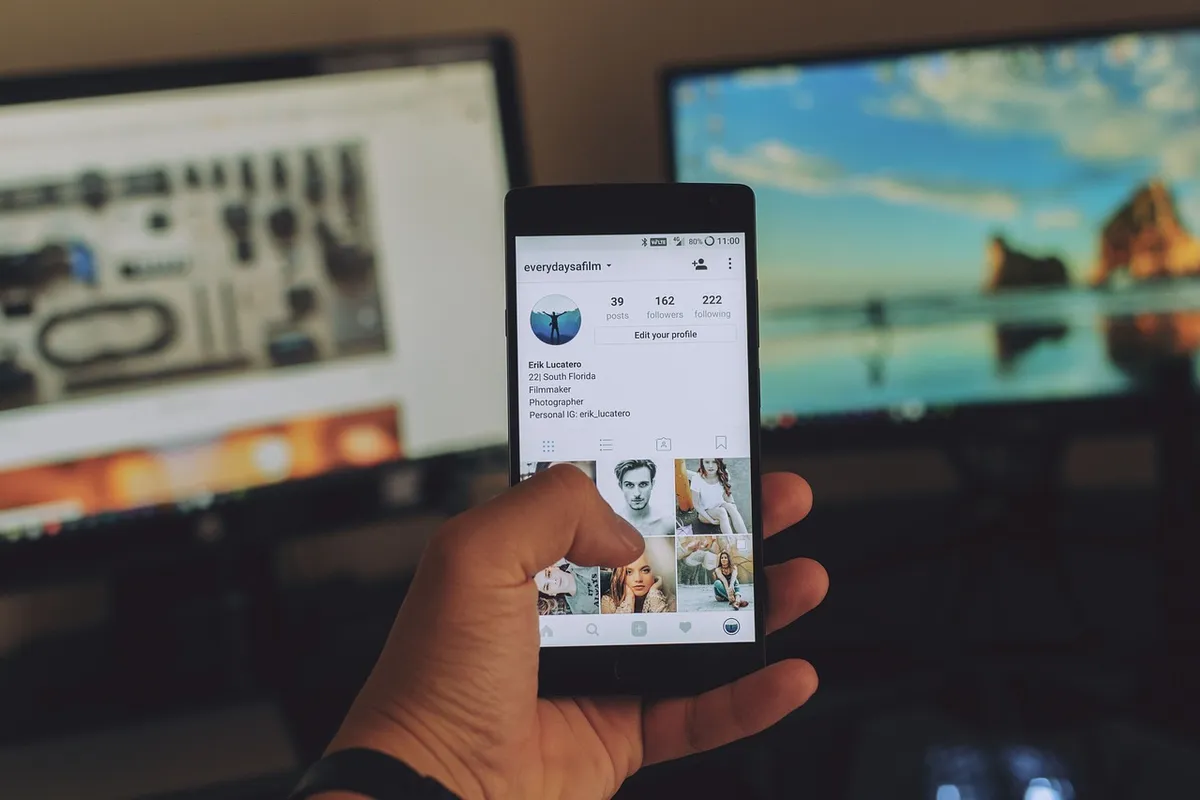
- Verify current software compatibility with existing hardware. 2. Assess the necessity of new hardware ports or connectivity standards. 3. Evaluate how new software features will integrate with existing apps.
I remember checking my old device's settings to see if it could support the latest OS update before deciding to upgrade. This careful evaluation is common among users who rely on their devices for daily tasks.
A limitation of this historical analysis is that it focuses on software and hardware evolution rather than specific modern neural engine benchmarks.
- How did the legacy of the iPhone lead to modern AI popularity?
- Why is the iPhone AI appeal reasons so significant to users?
- How does user love iPhone AI translate to daily productivity?
Related





Comments 0