AI smart home possibilities guide how to improve efficiency
"The integration of intelligence into our living spaces transforms a mere shelter into a responsive environment that anticipates human needs."
AI smart home possibilities emerge through the seamless coordination of security, energy management, and device accessibility.
This guide explores how automated systems and integrated controls provide new ways to manage domestic life, specifically for homeowners looking to improve efficiency or security.
Key takeaways include the ability to monitor cameras via picture-in-picture, the significant impact of Building Management Systems (BMS) on energy consumption, and the convenience of direct device toggles.
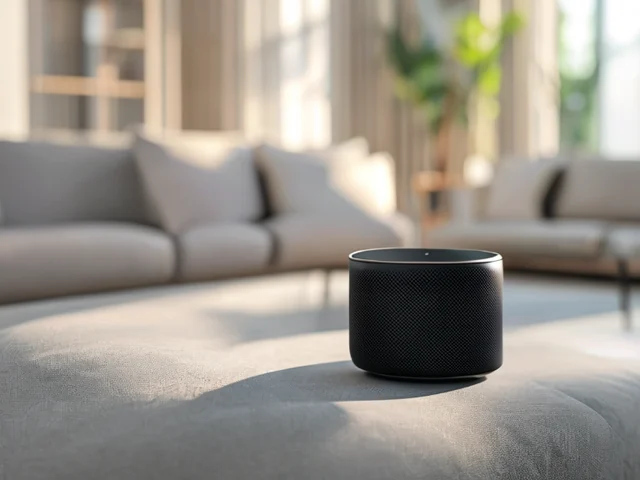
However, users must remain aware that improperly configured BMS systems may actually increase energy waste.
How does AI tech in living enhance security?
At midnight, I sit on the velvet sofa and feel a sudden chill as I glance at the smart camera feed on my tablet.
A person sits on a sofa, glancing at a tablet to check a live camera feed while a notification pops up on the screen. This immediate visual access allows for constant oversight of the home perimeter without needing to navigate deep into complex menus.
According to Wikipedia, tvOS 14, which was released on September 16, 2020, added direct control of devices in Control Center and camera feeds and picture-in-picture monitoring for HomeKit-enabled security cameras.
This specific update allows users to maintain a visual connection to their entry points while performing other tasks on their devices.
The ability to see a front porch through a small overlay window provides a sense of presence even when the user is occupied elsewhere. This feature bridges the gap between passive recording and active monitoring.
I find that the second step in this process is the most extensive.
Can AI home integration improve energy efficiency?
A thermostat adjusts itself in a quiet hallway as the sun sets, subtly shifting the temperature to match the evening rhythm. This automated response is part of a larger ecosystem designed to manage how much power a residence consumes throughout the day.
Systems linked to a BMS typically represent 40% of a building's energy usage; if lighting is included, this number approaches to 70%. These systems use sensors that output analog heat signatures or digital counts to integrate with wireless IoT networks.
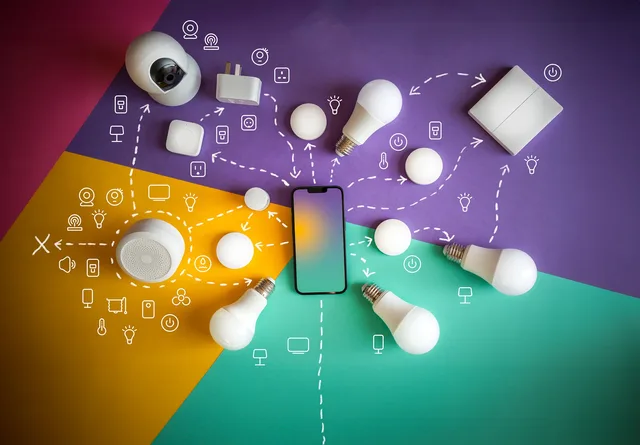
Such integration can reduce energy use by up to 40% through precise ventilation and lighting control.
Managing these complex layers requires careful setup to ensure the benefits are realized. I noticed that even small adjustments, like a hot water valve opening up 25% to maintain a setpoint, can influence the overall rhythm of the house.
What are the benefits of smart home new uses?
A hand reaches for a smartphone to swipe a toggle, turning off the kitchen lights without speaking a single word. This tactile, immediate interaction replaces the need for voice commands or opening dedicated applications every time a change is needed.
According to the Association of Family and Consumer Sciences, various organizations, including the American Association of Family and Consumer Sciences, adopted the new term "Family and Consumer Sciences (FCS)" in 1994 to reflect the fact that the field covers aspects outside of home life and wellness.
This streamlined method of interaction makes the technology feel less like a computer and more like a standard household utility.
By placing these controls in a central hub, the friction of managing multiple smart devices disappears. Users can quickly adjust their environment during a busy morning or a quiet evening.
How does AI for safer homes manage critical alerts?
A sharp, rhythmic sound echoes in a utility room, signaling that a backup power source has entered a specific state. This alert demands attention to prevent a larger disruption in the home's electronic ecosystem.
For example, a repeating critical alarm of an uninterruptible power supply in "bypass" might resound at 10 minutes, 30 minutes, and every 2 to 4 hours thereafter until the alarms are resolved.
This structured notification ensures that the resident is aware of the status without being overwhelmed by constant noise.
Reliable alerts are the backbone of a safe, automated environment. They ensure that even when the system is in a non-standard mode, the human occupant remains informed.
Why is proper configuration vital for AI smart home possibilities?
An engineer examines a digital dashboard, noticing that a specific setting is causing a spike in electricity consumption. Correcting this error is essential to prevent the automation from working against the homeowner's goals.
Improperly configured BMS systems are believed to account for 20% of building energy usage, or approximately 8% of total energy usage in the United States. This highlights the risk that automation, if not set up with precision, can lead to significant waste rather than savings.
| System Component | Energy Usage Impact |
|---|---|
| Standard BMS | 40% |
| BMS with Lighting | Approaches 70% |
I have seen how a single misaligned setting can negate the intended savings of a high-tech installation. Precision in the initial setup is just as important as the hardware itself.
How can I implement these smart systems?
A homeowner stands in a new living room, holding a manual and a smartphone, ready to begin the installation process. Setting up a cohesive environment requires a methodical approach to ensure all devices communicate effectively.
- Select compatible hardware that supports standard protocols like BACnet or wireless IoT networks to ensure sensor data integrates correctly. 2. 3. Set up specific monitoring views, such as picture-in-picture for security cameras, to maintain situational awareness.
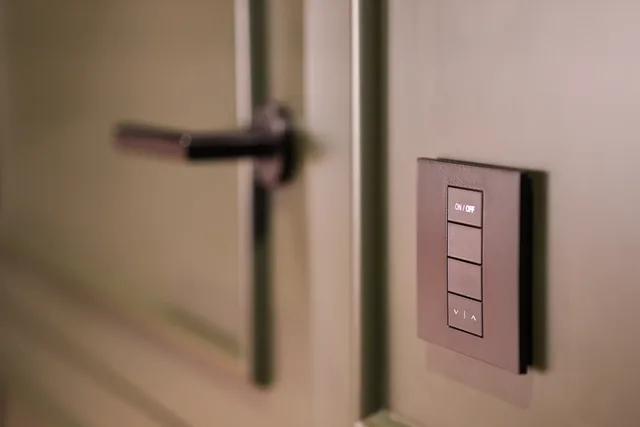
Perform a final check of all system configurations to ensure that no settings are contributing to unnecessary energy draw.
The effectiveness of these technologies is limited by the accuracy of their configuration and the quality of the underlying sensor data.
- Assess your current home infrastructure and connectivity needs.
- Select compatible AI-driven devices and central hubs.
- Install the hardware and configure the software settings.
The subject here is AI smart home possibilities.
The same subject is also called Home efficiency AI.
This part also covers How AI changes home life.
This part also covers Future of smart living.
Related








Comments 0